
EV Unlock is an electric vehicle website built for buyers who want practical EV research before visiting a showroom. Use this page to compare electric cars by price, driving range, battery capacity, body type, charging time, launch status and ownership cost. Instead of looking only at brochure numbers, check how each model fits your daily commute, home charging access, highway use and service support. We also connect listings with EV guides and an electric vehicles tool, so you can understand electric vehicle technology, estimate running cost and compare new electric cars with upcoming options in one place.
69 Electric Cars
Filtered by: Under Rs. 15 Lakh
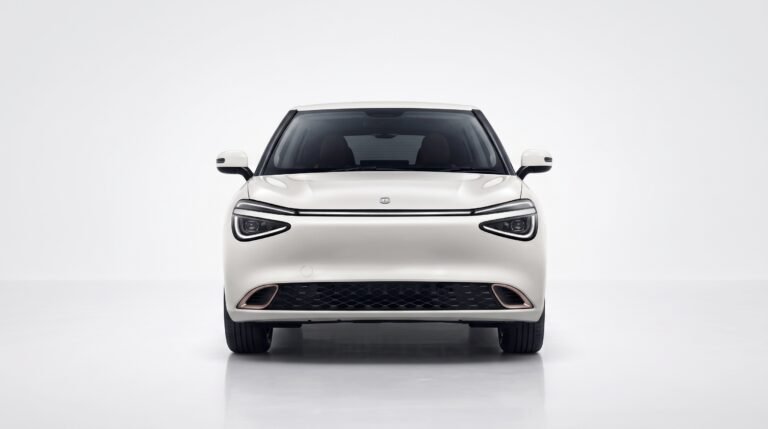
Dongfeng Nammi 01
EUR 19,900 - EUR 23,900 (Premium, expected) Avg. ex-showroom price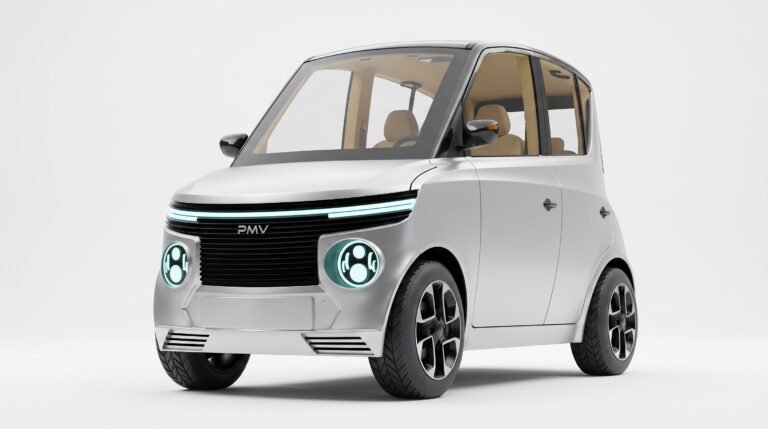
PMV EaS-E
Rs 4.79 Lakh - Rs 5.02 Lakh (on-road Delhi) Avg. ex-showroom price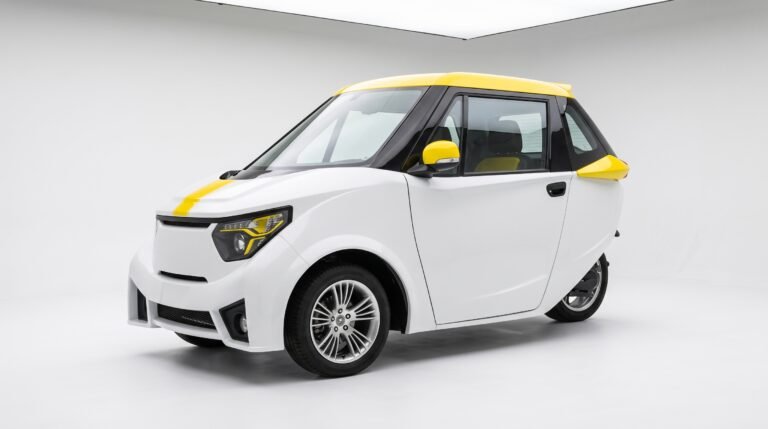
Strom R3
Rs 4.50 Lakh - Rs 4.50 Lakh Avg. ex-showroom price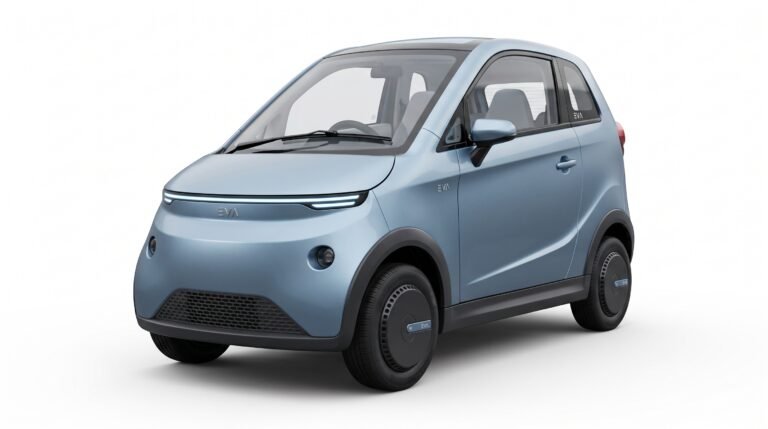
Vayve Eva
Rs 3.25 Lakh - Rs 4.49 Lakh Avg. ex-showroom price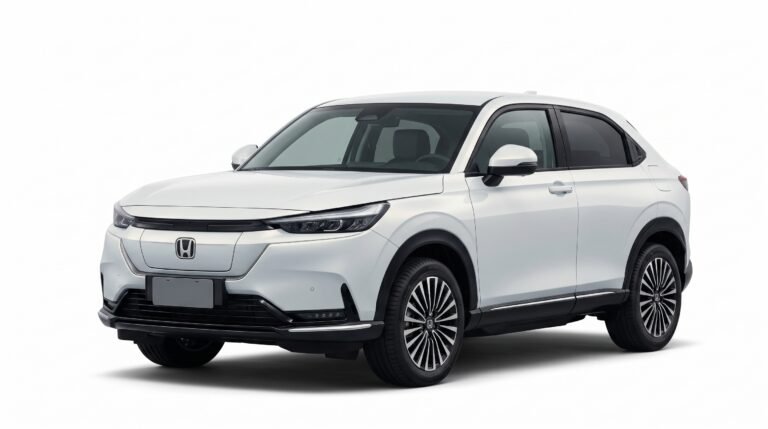
Honda Elevate EV
Rs 14 Lakh (expected) - Rs 24 Lakh (expected, top trim) Avg. ex-showroom price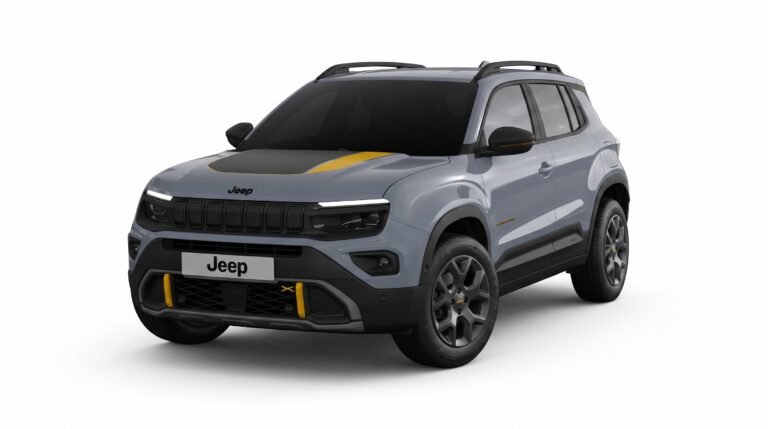
Jeep Avenger
EUR 39,400 - EUR 42,400 Avg. ex-showroom price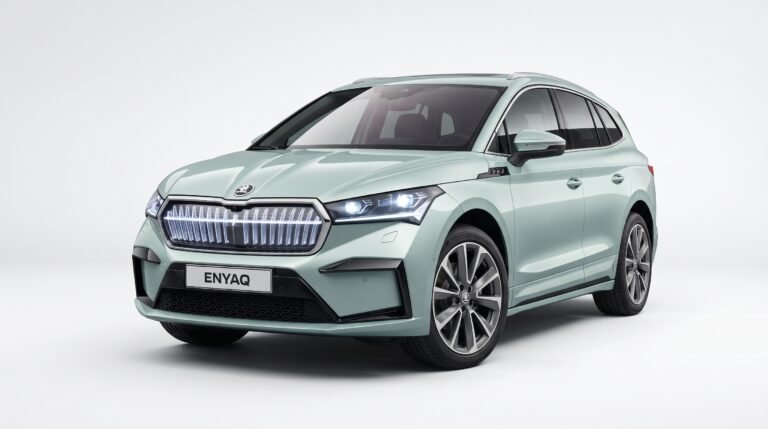
Skoda Enyaq
GBP 39,520 - GBP 49,270 Avg. ex-showroom price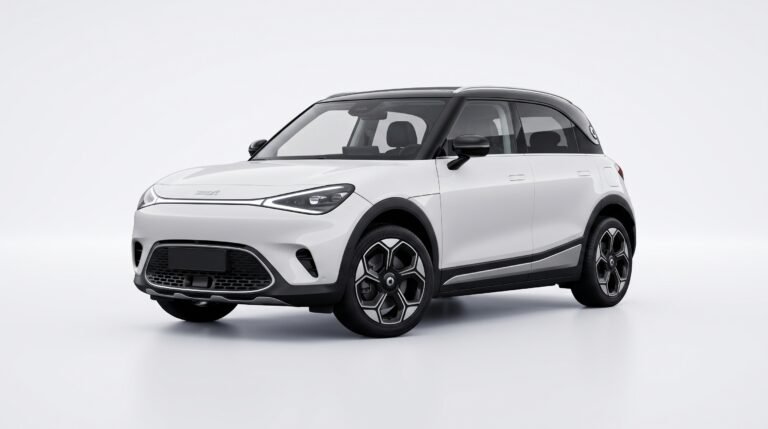
Dongfeng Nammi 01
USD 8,400 - USD 13,000 Avg. ex-showroom price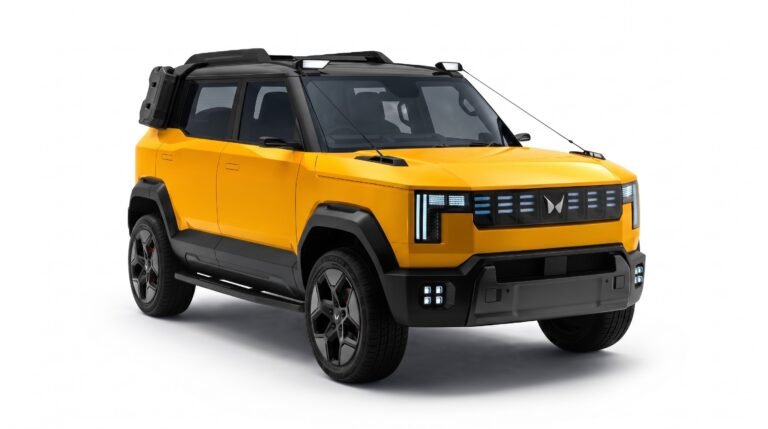
Mahindra Vision.S
Estimated Rs 9.50 Lakh - Estimated Rs 16 Lakh Avg. ex-showroom price
Mahindra Vision.T
Estimated Rs 12 Lakh - Estimated Rs 22 Lakh Avg. ex-showroom price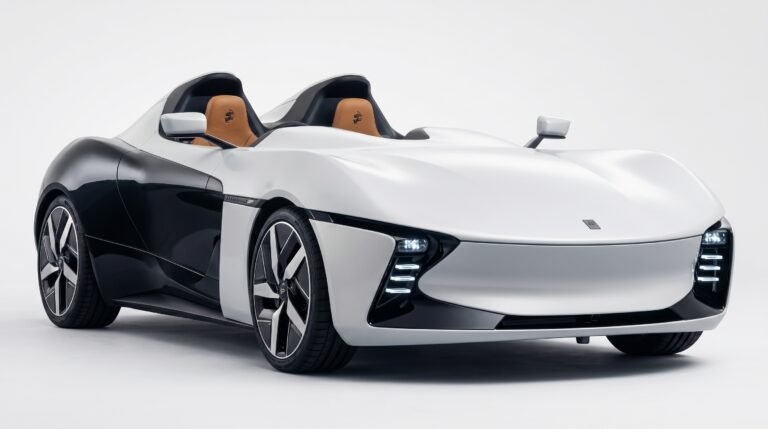
Longbow Roadster
GBP 64,995 - GBP 64,995 (from) Avg. ex-showroom price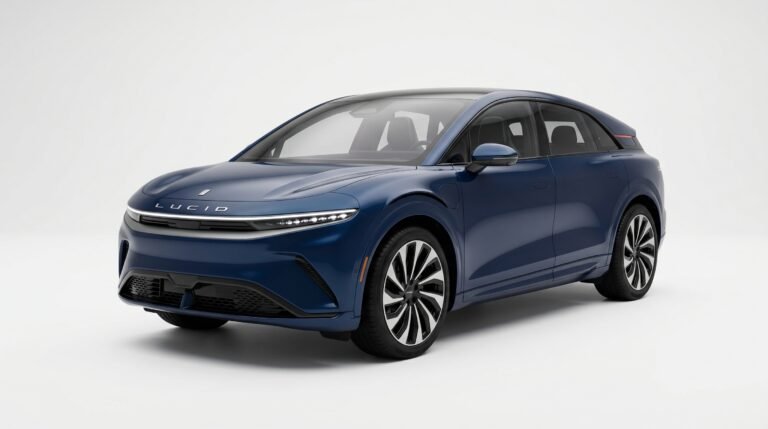
Lucid Cosmos
Below USD 50,000 (platform; Cosmos price TBC) - To be confirmed Avg. ex-showroom priceAll Brands
Compare electric cars brand-wise when you already trust a manufacturer or want to check how its EV range is growing. Brand pages help you review pricing, launch status, range, battery options and service network before opening individual model details.
 TE
TE
 ME
ME
 ME
ME
 HE
HE
 KE
KE
 V
V
 V
V
 GS
GS
 BE
BE
Find The Cars Of Your Choice
If you are not sure where to begin, start with your buying priority. Choose by budget, body type, new launches, upcoming EVs or tools that explain running cost and charging needs in plain language.
Top EV Shortlists
These shortlists are made for real buying situations, not just specification browsing. Use them to compare daily usability, electric vehicle technology, charging needs and expected ownership cost.
Electric Cars Key Highlights
Use these highlights as a quick market view before opening detailed model pages or comparing variants.
FAQs of Electric Cars
Common questions buyers ask while comparing electric cars, charging cost and ownership basics.
Which are the best electric cars?
The best electric cars are the ones that match your daily driving distance, charging access, budget and warranty expectations. A city buyer may prefer a compact EV with easy home charging, while a family buyer may need an electric SUV with longer range and more space. Compare price, range, battery capacity, safety features, service support and real ownership cost before choosing.
What are the top EV cars in India?
Top EV cars in India usually include practical city EVs, compact electric SUVs and newer long-range models. Buyers often compare cars such as Tata Tiago EV, Tata Punch EV, Maruti Suzuki e Vitara, Tata Sierra EV and Hyundai Inster EV. The right choice depends on launch status, price, range, charging speed, battery warranty and how easily the car fits your daily routine.
Where can I find electric cars for sale?
You can find electric cars for sale through brand dealerships, official manufacturer websites, EV listing platforms and trusted automotive marketplaces. Start by shortlisting models online, then verify the final on-road price, variant availability, delivery timeline and finance offers with the dealer. EV Unlock helps you compare listings first, so the showroom conversation becomes more focused and practical.
Which new electric cars should I track?
Track new electric cars that bring better range, faster charging, stronger warranty coverage or a body style missing in the current market. Upcoming models such as Tata Sierra EV, Hyundai Inster EV and Maruti Suzuki e Vitara are worth watching if you are not buying immediately. Also check launch timelines, expected pricing, battery options and brand service coverage before waiting.
Which electric vehicles tool should I use before buying?
Use an electric vehicles tool that explains ownership cost, not just specifications. A useful EV tool should estimate charging cost, monthly savings, running cost against petrol or diesel and practical range for your daily commute. It should also help you understand how electricity rate, driving distance, charger type and battery size affect the long-term cost of owning an electric car.
How long does it take to charge an electric car?
Electric car charging time depends on battery size, charger output and the vehicle charging limit. A home AC charger may take several hours or overnight for a full charge, while a public DC fast charger can add useful range much faster. For daily use, most owners do not need a full charge every day; they top up based on commute needs.
How much does it cost to charge an electric car?
The cost to charge an electric car depends on your electricity rate and the battery capacity. A simple estimate is battery size in kWh multiplied by the per-unit electricity price, plus a small buffer for charging losses. For example, a 40 kWh battery at Rs. 10 per unit may cost around Rs. 400 before losses for a full charge.
Do electric cars need oil changes?
Pure electric cars do not need engine oil changes because they do not use a petrol or diesel engine. However, they still need regular maintenance. Owners should check tyres, brakes, suspension, coolant systems, cabin filters, software updates and battery health. EV maintenance is usually simpler, but skipping routine inspections can still affect safety, efficiency and long-term reliability.
Are electric cars better for the environment?
Electric cars are better for local air quality because they produce no tailpipe emissions while driving. Their overall environmental impact depends on electricity source, battery production, vehicle efficiency and how long the car is used. In cities, EVs can reduce direct pollution and noise. The benefit improves further when charging comes from cleaner electricity and batteries are responsibly reused or recycled.
When was the first electric car made?
The first electric car was not a single modern invention. Early electric vehicle experiments started in the 1800s, with inventors in Europe and the United States building battery-powered carriages before petrol cars became dominant. EVs became practical again much later because battery technology, electric motors, software and charging infrastructure improved enough for everyday use.