
 Featured EV
1 / 4 Images
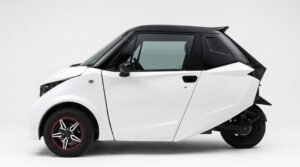
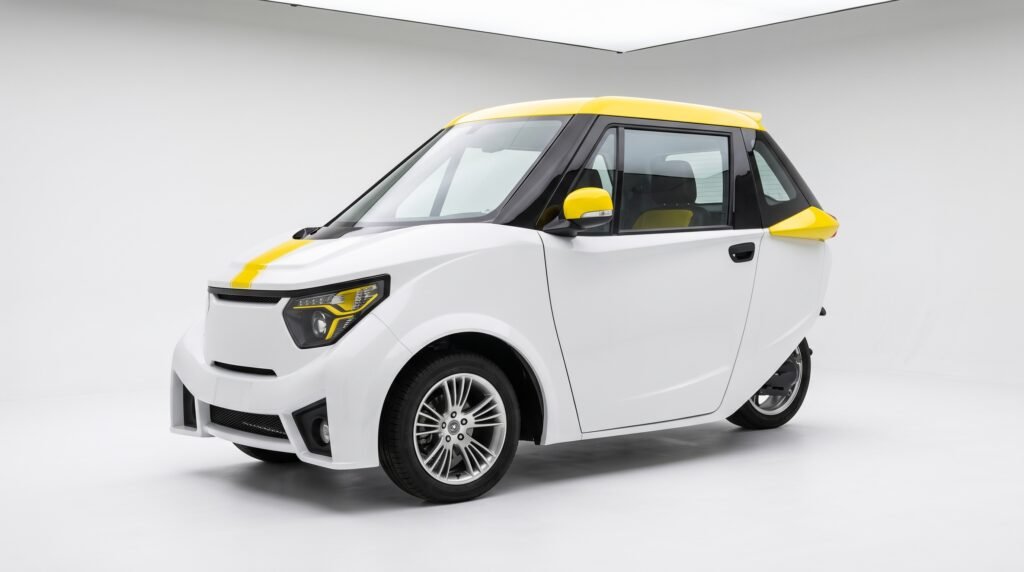
Strom R3
Two-seat Micro EV

A compact, two-seat electric micro-car for the city from Mumbai startup Strom Motors. Up to 200 km range, an 80 km/h top speed, a 300-litre boot, two airbags and connected tech - from around Rs 4.50 lakh.
*Ex-showroom Price in Mumbai
Strom R3 EV essentials
Strom R3 pros and cons
Pros
- One of the most affordable electric cars in India
- Two airbags - rare in this micro-EV class
- Surprisingly large 300-litre boot for the size
- Charges from a normal home socket
- Connected tech with OTA updates
- Tiny footprint - effortless city parking
Cons
- Only two seats - not a family car
- 80 km/h top speed means city-only, no highways
- Three-wheeled layout will not suit everyone
- Startup product - check service and parts support
- No independent crash-test safety rating
Best for
Strom R3 specifications
Battery & Charging
Efficiency & Real-world Range
Motor & Performance
Dimensions & Capacity
Comfort & Tech
Safety
Warranty
Features
Battery & Performance
- Lithium-ion battery designed for city use
- Claimed range of 120 km (base) up to around 200 km (long range)
- Charges from a regular home socket - no dedicated charger needed
- Full charge in around 4 to 5 hours
- Single motor: 15 kW (20 hp) and 90 Nm
- Regenerative braking to recover energy
- Very low running cost for the city
Comfort & Interior
- Touchscreen infotainment
- Air conditioning
- Reverse parking camera
- Connected, app-based features
- Over-the-air (OTA) software updates
- 300-litre boot (large for the size)
- Two-seat cabin
- Compact, easy-to-park body
Safety
- 2 airbags (notable for a micro EV)
- Seatbelts for both occupants
- Reverse parking camera
- Regenerative braking
- High-strength compact body
- Low-speed design for city safety
Strom R3 trims and pricing
Compare available Strom R3 trims, their ex-showroom prices and key configuration details.
About Strom R3
The Strom R3 is a compact, two-seat electric micro-car built by Mumbai-based startup Strom Motors for one purpose: smart, affordable, stress-free city mobility. Technically a three-wheeled reverse-trike (two wheels at the front, one at the rear) but designed and equipped like a small car, it is aimed at solo commuters and couples who want something cheaper, smaller and easier to park than a conventional EV. At under three metres long, it slips through traffic and fits into spaces no normal car can.
Under the skin sits a lithium-ion battery and a single motor making 15 kW (20 hp) and 90 Nm, good for an 80 km/h top speed and a claimed range of 120 km on the base version, rising to around 200 km on the long-range variant. That is enough for a full day or more of city commuting on a single charge, and you simply plug it into a regular home socket – there is no need for a dedicated fast charger.
What sets the R3 apart from other micro EVs is how car-like it feels. It comes with a 300-litre boot (genuinely useful for the size), two airbags, a touchscreen, air conditioning, a reverse camera and connected, app-based features with over-the-air updates. Priced from around Rs 4.50 lakh, it is one of the most affordable electric cars in India and a direct rival to the PMV EaS-E. Treat it as a clever, low-cost city runabout – not a highway car – and the Strom R3 makes a lot of sense for urban India.
Trending news for Strom R3
The Strom R3 from Mumbai startup Strom Motors is one of India's most affordable electric cars, priced from around Rs 4.50 lakh. A compact, two-seat, three-wheeled micro EV, it is designed for cheap, easy city mobility and competes directly with the PMV EaS-E in India's emerging micro-EV space.
What makes the R3 stand out is how car-like it is for the class: it offers two airbags (rare in a micro EV), a large 300-litre boot, a touchscreen, air conditioning, a reverse camera and connected features with over-the-air updates. With a claimed range of up to 200 km, an 80 km/h top speed and simple home-socket charging, it is a practical, low-cost answer to congested-city commuting - though, as a startup product, buyers should check service and parts support in their area.
Strom R3 range and performance
The Strom R3 is built strictly for the city. The base version claims about 120 km of range, while the long-range variant offers up to around 200 km - realistically 100 to 170 km depending on the version and use. A single motor makes 15 kW (20 hp) and 90 Nm, enough for an 80 km/h top speed.
This is a low-speed, low-power micro EV rather than a quick or highway-capable car, and it should be judged accordingly. Its strengths are efficiency, ease and a tiny, nimble footprint, and simple home-socket charging means you do not need any special infrastructure. For short, slow city trips, it is well suited.
Strom R3 safety overview
The Strom R3 is better equipped on safety than most micro EVs, with two airbags - genuinely rare in this class - plus seatbelts for both occupants, a reverse parking camera, regenerative braking and a low top speed that reduces risk in city driving. However, it does not have an independent crash-test rating (such as Bharat NCAP or Global NCAP), so there is no star score to quote. As a three-wheeled, low-speed city vehicle, it should be driven as a careful urban runabout rather than a conventional crash-tested car.
Strom R3 battery and charging guide
Charging the Strom R3 is deliberately simple. It plugs into a regular home 15A socket - no dedicated wall charger or public-charger access is required - with a full charge taking around 4 to 5 hours. There is no DC fast charging; the slow home-charging approach matches the car's short, predictable city use, where you simply charge overnight. Because the battery is small and the car is light and efficient, charging costs are very low.
Strom R3 warranty details
Warranty terms for the Strom R3 - including the battery and the vehicle - should be confirmed directly with Strom Motors, as this is a startup product that may be sold in limited markets with terms different from mainstream brands. Given that, it is especially worth clarifying the battery warranty, the service-network coverage in your city and spare-parts availability before buying.
Quick verdict: Strom R3
The Strom R3 is a clever, ultra-affordable city EV that punches above its micro-car class - the two airbags and 300-litre boot make it feel more like a real small car than a glorified quadricycle. As one of India's cheapest electric cars, it suits solo commuters and couples who want a tiny, easy-to-park vehicle with simple home charging. The trade-offs are clear: two seats, an 80 km/h top speed, a three-wheeled layout and startup-brand uncertainty, so it is strictly a city runabout. For the right urban buyer who checks support locally, it is a genuinely practical, low-cost way to go electric.
Strom R3 vs rivals: how it compares
The Strom R3's closest rival is the PMV EaS-E - both are tiny, two-seat, sub-three-metre city EVs at similar prices. The R3 counters with two airbags and a bigger 300-litre boot; the EaS-E answers with a removable battery you can charge indoors. Against proper small cars like the MG Comet EV and Tata Tiago EV, the R3 is cheaper and smaller but gives up seats, speed and crash safety. And against electric two- and three-wheelers, it adds weather protection, a boot and car-like comfort. In short: choose the R3 for boot space and airbags at a rock-bottom price; choose a Comet or Tiago EV if you need a faster, four-seat car.
Strom R3: who should buy it (and who should not)
Buy the Strom R3 if you mostly drive solo or as a couple in the city, want one of the cheapest EVs available, value a usable boot and the reassurance of airbags, and are happy charging from a home socket overnight. Avoid it if you need more than two seats, drive on highways or fast roads (80 km/h limit), are uncomfortable with a three-wheeled layout, or want the certainty of an established brand's service network and a crash-test rating. For a specific city use-case, it is a smart, low-cost choice - just confirm local support first.
Strom R3 ownership and running costs
Running costs are extremely low. The light, efficient R3 uses very little energy, so a full charge costs only a small amount, and because it charges from a normal socket you avoid the cost of installing a dedicated home charger. EV maintenance is minimal - no engine, oil or complex mechanicals. The main ownership considerations are resale value and service access for a startup brand, so weigh those against the very low purchase, energy and upkeep costs when judging the true cost of ownership.
Strom R3 tax benefits and incentives
As an electric vehicle, the Strom R3 qualifies for India's EV incentives, which vary by state. Many states offer road-tax and registration-fee exemptions for EVs, further reducing the already-low cost, and it wears the green number plate. Given its very low price, these benefits make the on-road cost extremely competitive. Always confirm the current EV policy, road-tax exemption and any subsidy in your specific state - and how a three-wheeled EV is classified for registration - before buying.
Strom R3 maintenance and service
Maintenance is minimal. As an EV there is no engine oil, no spark plugs and no complex transmission, and the simple, light micro-car design means fewer parts to wear out. Routine upkeep is mostly tyres, brakes and the battery. As a startup product, the key things to verify are service-network access and spare-parts availability in your city, plus how the connected features and software updates are supported over time. Confirm all of this with Strom Motors before buying.
EV Running Cost Calculator
*Estimated figures based on entered electricity price, fuel price, mileage and average daily driving. Actual running costs can vary.
Related articles for Strom R3
Frequently asked questions about Strom R3
What is the price of the Strom R3?
The Strom R3 is priced from around Rs 4.50 lakh, making it one of the most affordable electric cars in India. Confirm the latest price, variant availability and on-road cost with Strom Motors, as this is a startup product sold in limited markets.
What is the range of the Strom R3?
The base Strom R3 has a claimed range of about 120 km on a single charge, while the long-range variant offers up to around 200 km. Real-world range will be lower depending on driving, but it is designed to cover a full day of city commuting.
How do you charge the Strom R3?
The Strom R3 charges from a regular home socket - no dedicated fast charger is needed - with a full charge taking around 4 to 5 hours. There is no DC fast charging; the simple home-charging approach suits its short, predictable city use.
How many seats does the Strom R3 have?
The Strom R3 is a two-seater. It is a compact, sub-three-metre personal micro EV (a three-wheeled reverse-trike) built for one or two people in the city, not a family car.
Is the Strom R3 safe?
For its class it is reasonably equipped, with two airbags - which is rare for a micro EV - plus seatbelts, a reverse camera and a low top speed that reduces city risk. However, it does not have an independent crash-test rating (such as Bharat NCAP), so there is no star score to quote.
Strom R3 or PMV EaS-E - which is better?
Both are tiny, affordable two-seat city EVs. The Strom R3 stands out with two airbags and a large 300-litre boot, while the PMV EaS-E offers a removable battery you can charge indoors. Choose based on what matters most to you - boot space and airbags (R3) or flexible indoor charging (EaS-E) - and check service support for each in your city.
Owner feedback for Strom R3
No approved owner feedback yet. Be the first to share your experience.
Available colours
The Strom R3 is offered in a range of bright, youthful shades suited to a personal city micro EV, typically including White, Grey, Blue, Red and Black. Colour availability can vary, so confirm the options with Strom Motors at booking.