
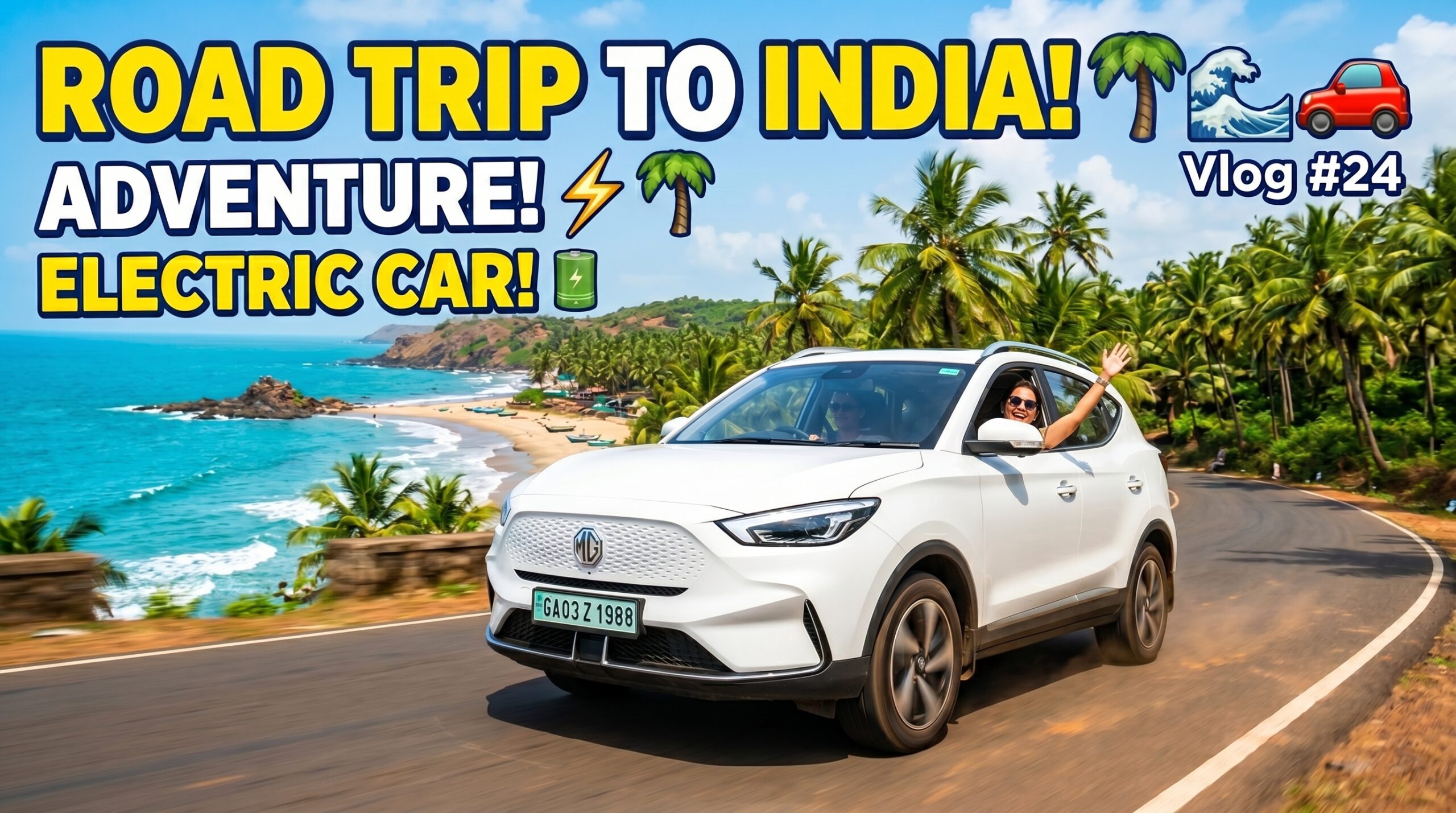
An EV road trip in India today needs one charging stop roughly every 200 to 250 km, costs about a sixth of what petrol would, and works on every major highway corridor if you plan the legs right. That is the short version. The longer version involves a few habits that separate a relaxed journey from a stressful one, and some honest truths about where the charging network still falls short. This is what the road actually teaches you.
Planning the Journey: Range, Routes and the Rules That Matter
The first lesson of any EV road trip in India arrives before you leave the driveway: the claimed range on the brochure is not your planning number. Real highway conditions cut it down, and accepting this early is what makes everything else work.
Your Real Highway Range Is Lower Than the Brochure Says
Indian highway driving reduces claimed range by 15 to 30 percent. Heat, AC load, sustained speed and terrain all pull energy faster than the certification cycle does. A car certified at 450 km is realistically a 320 to 380 km car on the highway, and treating it that way removes most of the anxiety before it starts.
Speed is the variable you control. Cruising at 90 km/h instead of 120 km/h can stretch range by up to 30 percent. On my reading of owner reports across forums, this single habit matters more than the size of your battery. The drivers who struggle on road trips are usually the ones doing 120 in the fast lane and wondering where their range went.
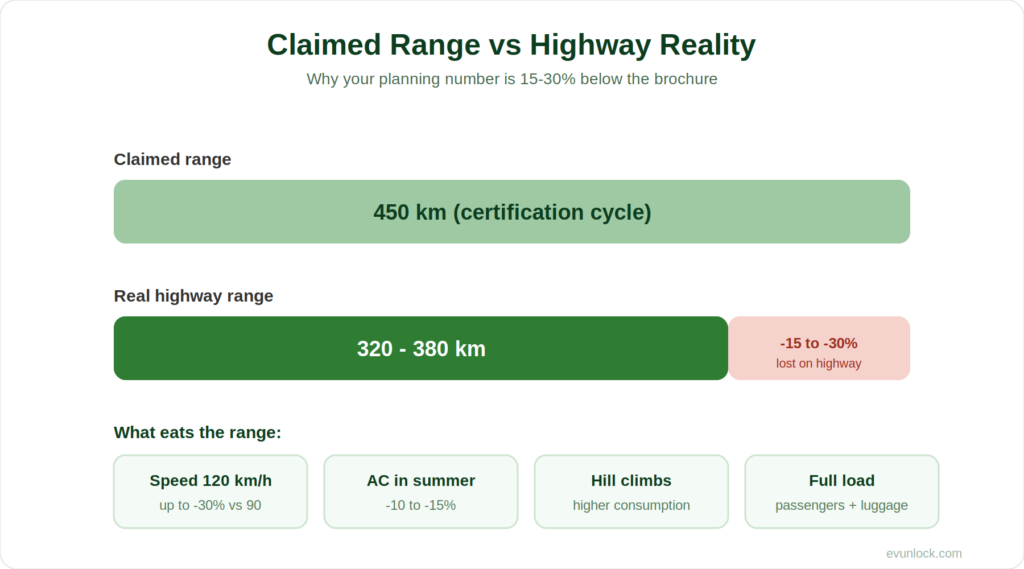
Figure 1: Claimed range versus real highway range, and what eats the difference
The Routes That Work Well Right Now
The popular corridors are genuinely ready. The Delhi to Agra to Jaipur loop covers around 700 km and needs two to three charging stops. Mumbai to Goa runs about 590 km and needs one or two. Delhi to Rishikesh at 250 km is a single-stop journey, and many EVs do it without stopping at all.
Expressways lead the way here. The Delhi Jaipur and Yamuna Expressway corridors now have charging plazas placed near food courts, so the car charges while you eat. The NH66 coastal route to Goa has working chargers in Lonavala, Satara, Kolhapur and Ratnagiri. Even the Manali to Leh arc, the hardest test in the country, is now being done by ordinary owners rather than only YouTube stunt crews.
| Route | Distance | Charging Stops | Best For |
| Delhi – Agra – Jaipur loop | ~700 km | 2 to 3 | First EV road trip |
| Mumbai – Goa (NH66) | ~590 km | 1 to 2 | Coastal scenery |
| Delhi – Rishikesh | ~250 km | 0 to 1 | Weekend run |
| Delhi – Chandigarh | ~250 km | 0 to 1 | Quick intercity |
| Manali – Leh | ~470 km | Multiple, plan carefully | Experienced owners |
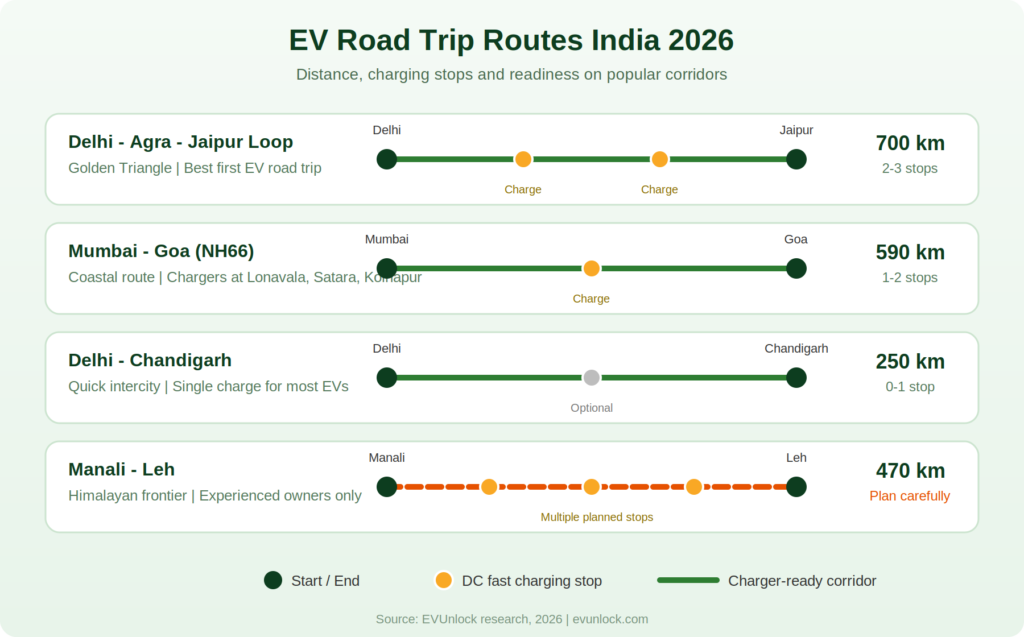
Figure 2: Popular EV road trip corridors in India with charging stop requirements
The 20 to 80 Rule Saves You Hours
Charge from 20 per cent to 80 per cent at fast chargers, then leave. The last 20 per cent of any battery charges painfully slowly because the battery management system tapers the current to protect the cells. Waiting for 100 percent at a highway charger can add 30 to 40 minutes per stop for range you probably do not need.
Two or three disciplined 20 to 80 sessions beat one long full charge every time. Plan your legs around 60 percent of the battery rather than all of it, and the journey develops a rhythm: drive two and a half hours, charge for 25 minutes, eat or stretch, repeat.
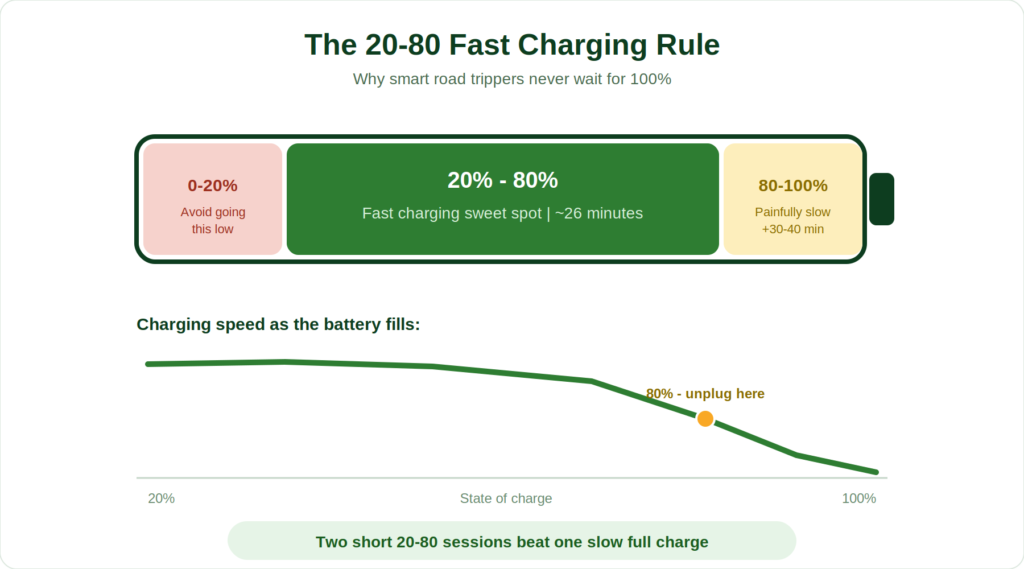
Figure 3: The 20-80 fast charging rule and why charging slows beyond 80 percent
What the Trip Actually Costs
A 2,000 km journey like Delhi to Ladakh costs roughly Rs 3,000 in electricity. The same trip in a petrol SUV at current fuel prices crosses Rs 16,000 comfortably. Even charging entirely on public DC networks at Rs 18 to 25 per unit, an EV road trip costs a fraction of the petrol equivalent, and some highways waive tolls for EVs on top of that.
At EVUnlock, we cross-check specifications against official manufacturer documentation before publishing, and the cost gap is one figure that holds up across every route we have examined.
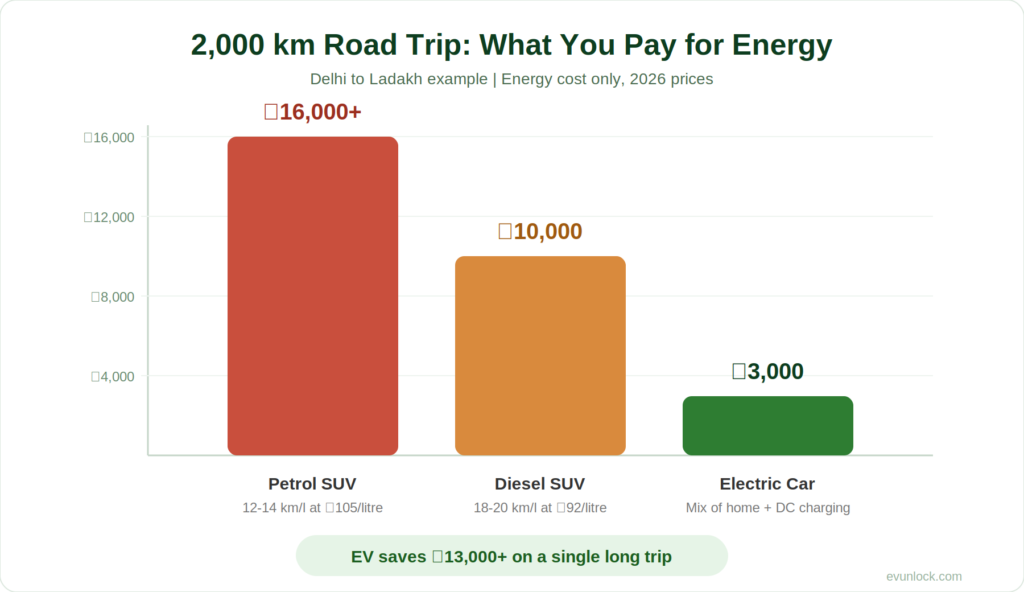
Figure 4: Energy cost for a 2,000 km road trip, petrol versus diesel versus electric
On the Road: What Owners Learn the Hard Way
Spreadsheet planning gets you to the highway. The next set of lessons only comes from the road itself, and most of them are about the gap between a charger existing and a charger working.
Charger Reliability Is the Real Challenge, Not Charger Count
India’s highway corridors now have chargers at regular intervals, with policy requiring stations every 25 km on major expressways. The count is no longer the problem. Reliability is. A station can be occupied, offline for maintenance, or stuck behind a payment app that refuses to start the session.
The working habit is redundancy. Identify your primary charger for each leg plus one backup within comfortable range. Keep three or four charging apps installed, because no single network covers everything. Community apps with live user reviews tell you whether a charger worked an hour ago, which matters more than whether it exists on a map.
Pack for the Five Per cent Scenario
A 16A extension cable belongs in every EV’s boot on a long trip. It converts any hotel plug point, dhaba socket or relative’s house into an overnight charger. Slow, yes. But an overnight 16A top-up has rescued more road trips than any fast charger, especially in tier-2 towns and hill regions where DC stations thin out.
Hotels are catching up too. EV-friendly properties with destination chargers are now common enough on tourist routes that you can pick accommodation by charger availability. Arriving at 30 per cent and leaving at 100 percent without visiting a single public station is the quiet luxury of EV travel.
The Part Nobody Tells You: The Drive Is Better
Strip away the planning talk and something remains that petrol trips never offered. The silence. A 6 AM start through the Western Ghats with no engine drone, where you hear birdsong over the road noise, changes the character of the journey. Hill climbs feel effortless because electric torque does not care about altitude the way a petrol engine gasping for oxygen does.
My honest observation after following hundreds of owner trip reports: the people who do one EV road trip almost always do another. The format rewards a slower, more deliberate style of travel, with breaks built in rather than bolted on. If you are choosing your first EV with road trips in mind, real-world highway range should sit above features and even price on your checklist. Our EV buying guides and the full electric cars catalogue rank models by exactly this.
Frequently Asked Questions
Is an EV road trip possible in India in 2026?
Yes, and it is now routine on major corridors. Delhi to Jaipur, Mumbai to Goa, Delhi to Chandigarh and similar routes have fast chargers at regular intervals, often near food courts. Success depends on planning stops every 200 to 250 km and knowing your car’s real highway range rather than the claimed figure.
How many charging stops does a typical route need?
The 700 km Delhi – Agra – Jaipur loop needs two to three stops. Mumbai to Goa at 590 km needs one or two. Shorter runs like Delhi to Rishikesh or Delhi to Chandigarh at around 250 km need one stop at most, and several EVs complete them on a single charge.
How much does an EV road trip cost compared to petrol?
Roughly one-sixth of the petrol cost. A 2,000 km journey costs near Rs 3,000 in electricity against Rs 16,000 or more in petrol. Even using only public DC fast chargers at Rs 18 to 25 per unit, the EV remains far cheaper, and some highways waive tolls for electric vehicles.
What is the 20 to 80 charging rule?
Charge from 20 per cent to 80 percent at fast chargers and then continue driving. Charging slows sharply beyond 80 percent because the battery management system reduces current to protect the cells. Stopping at 80 percent saves 30 to 40 minutes per session and keeps the journey moving.
How much range do I lose on the highway?
Expect 15 to 30 percent less than the claimed figure. Heat, AC, sustained high speed and elevation all increase consumption. A 450 km certified car realistically delivers 320 to 380 km on Indian highways. Driving at 90 km/h instead of 120 km/h recovers up to 30 percent of that loss.
Which apps should I use to find chargers?
Keep multiple apps installed rather than relying on one network. Tata Power EZ Charge, ChargeZone, Statiq and Bolt.Earth cover most corridors, while community apps like PlugShare add live user reviews that tell you whether a charger actually worked recently, not just whether it exists.
What should I carry on a long EV trip?
A 16A extension cable is the single most useful item. It turns any standard plug point at a hotel, dhaba or home into an overnight charger. Carry multiple charging apps with payment set up in advance, and keep a backup charger identified for every leg of the route.
Can I do a hill station trip in an EV?
Yes, and hills suit EVs better than most people expect. Electric motors lose no power at altitude, and regenerative braking recovers energy on every descent. Charge to full before long climbing sections, since ascents consume more, and treat the regen gain on the way down as a bonus rather than a plan.
Are there enough chargers outside big cities?
Coverage on major highways is now solid, with stations required every 25 km on key expressways. Tier-2 and tier-3 interior routes remain thinner, and reliability varies. The practical answer is to plan interior legs conservatively, carry the 16A cable, and book hotels that offer destination charging.
Which EV is best for road trips in India?
The honest answer is the one with the highest real-world highway range you can afford, paired with fast charging support of 60 kW or more. Certified figures mislead; real range is what counts at 90 km/h with the AC on. Compare models on that basis before anything else.
The Indian EV road trip has crossed the line from experiment to routine. The chargers exist, the costs are a fraction of petrol, and the driving experience on open highways is quieter and calmer than anything combustion offered. What remains is a planning discipline: know your real range, follow the 20 to 80 rule, and always have a backup charger marked. Pick the right car for the job from our guide to upcoming EVs in India at evunlock.com/upcoming-ev/, and the road is ready.

Gagandeep Singh
Founder, EV UnlockGagandeep Singh is an Electronics and Communication Engineering graduate from BGIET Sangrur and holds an M.Tech in eMobility from IIT Madras (CODE IITM). He is the founder of EV Unlock, an independent electric vehicle research platform. His work combines engineering knowledge, SEO strategy and electric mobility research to deliver verified EV specifications, buying guides and charging information that help buyers make confident, informed decisions.