
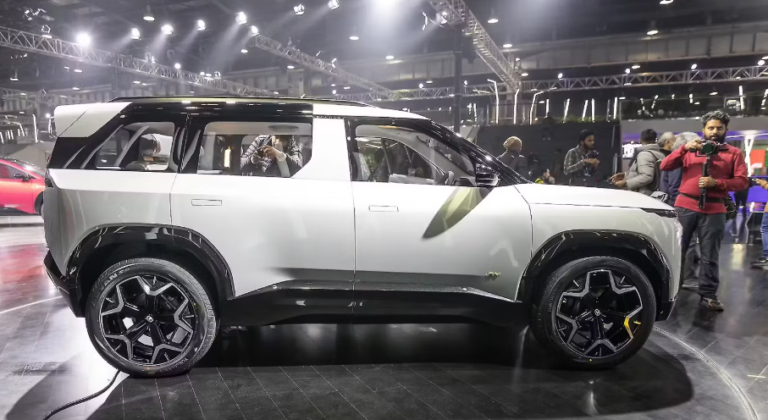
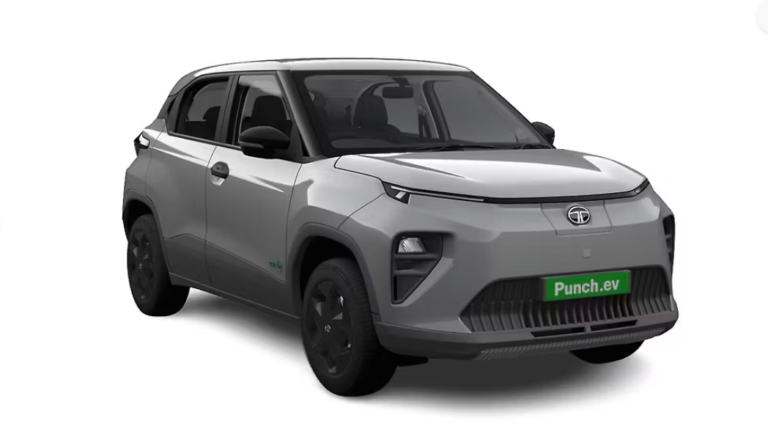
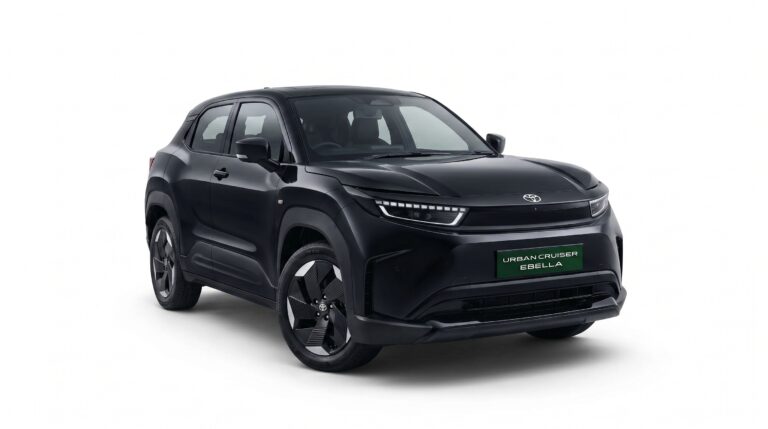
best car in indian market with good range
 Featured EV
1 / 2 Images
Featured EV
1 / 2 Images 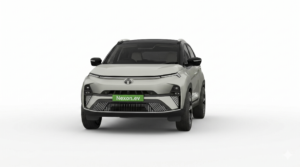
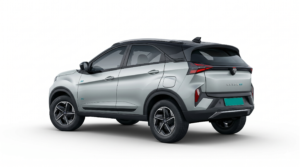
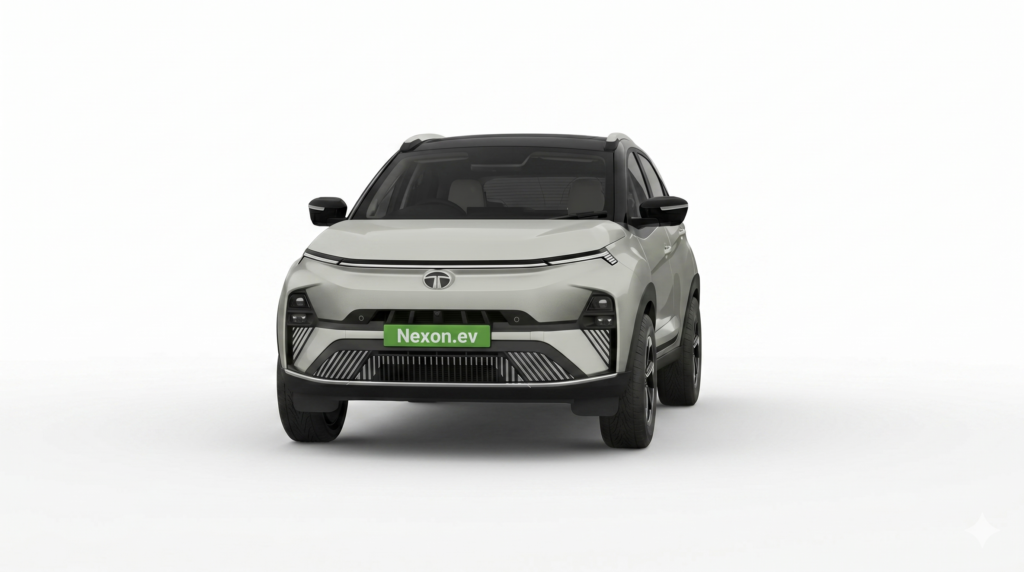
Tata Nexon EV
Creative / Fearless / Empowered (30 kWh and 45 kWh)

India's best selling electric car, offering up to 465 km certified range, V2L, and a 5 Star Bharat NCAP rating, backed by the largest population of real world ownership data in the country.
From approximately ₹12.49 Lakh (ex-showroom, verify current pricing) - Up to approximately ₹17.19 Lakh (ex-showroom, verify current pricing)
*Ex-showroom Price in New Delhi
Updated August 7, 2026 · Data verified from Tata Motors official EV website and certification data
Calculate EMIRange275 km (30 kWh) and 465 km (45 kWh)
Battery30 kWh and 45 kWh
Charging Time10 to 80% in approximately 56 Minutes
Tata Nexon EV EV essentials
Driving Range275 km (30 kWh) and 465 km (45 kWh)
Battery Capacity30 kWh and 45 kWh
Fast Charging DC10 to 80% in approximately 56 Minutes
AC Charging Time3.3 kW and 7.2 kW options, approximately 6 Hours on 7.2 kW
Top SpeedApproximately 150 km/h
Power Output129 PS (30 kWh) and 144 PS (45 kWh)
Acceleration0-100 km/h in approximately 8.9 sec (45 kWh)
Drive TypeFWD
Seating Capacity5 Seats
Boot Space350 Litres
Safety Rating5 Star Bharat NCAP
Warranty8 Years or 1,60,000 km on battery
Tata Nexon EV pros and cons
Pros
- India's best selling electric car, with the largest population of real world ownership data behind it
- 5 Star Bharat NCAP with 6 airbags standard across the range
- 465 km certified range on the 45 kWh pack is competitive for the price
- Resale value is more predictable than any rival simply because the used market is established
- V2L and V2V add genuine practical utility at this price point
- Tata operates India's widest EV service and fast charging network
- Familiar Nexon shape reduces the psychological barrier for first time EV buyers
- Running cost near ₹1.30 per km against roughly ₹6.06 for the petrol Nexon
Cons
- No ADAS on any variant, which rivals and Tata's own Curvv EV now offer
- 350 litre boot is adequate but a family will feel it on longer trips
- Rear seat is tight for three adults, and knee room is average for the class
- Real world range falls well short of certified figures in summer with AC running
- The 30 kWh Medium Range feels limiting once you start using the car daily
- DC charging at around 56 minutes for 10 to 80 percent is slower than newer Tata models
- Prices have been revised several times, which has affected resale predictability
Best for
Tata Nexon EV specifications
Battery & Charging
Battery Options30 kWh and 45 kWh
Battery TypeLithium-ion, liquid cooled, IP67 rated
Platformacti.ev, Tata's dedicated electric architecture
Certified Range 30 kWh275 km
Certified Range 45 kWh465 km
DC Fast Charging10 to 80% in approximately 56 minutes
AC Charging Standard3.3 kW, roughly 10 to 11 hours for a full charge
AC Charging Higher Trims7.2 kW, roughly 6 hours for a full charge
Charging PortCCS-II for DC, Type 2 for AC
V2L Vehicle to LoadYes
V2V Vehicle to VehicleYes
Battery Warranty8 years or 1,60,000 km
Efficiency & Real-world Range
Real-world City Range 45 kWhApproximately 350 to 400 km
Real-world City Range 30 kWhApproximately 220 to 250 km
Real-world Highway Range 45 kWhApproximately 300 to 340 km at 100 km/h
Real-world EfficiencyApproximately 6 to 7 km/kWh
Running CostApproximately ₹1.30 per km at ₹8.5/kWh
Full Charge Cost 45 kWhApproximately ₹383 at ₹8.5/kWh
Petrol Nexon ReferenceAround 17 km/l, approximately ₹6.06 per km at ₹103/l
Annual Saving at 15,000 kmApproximately ₹71,000 on fuel alone
Regenerative BrakingMulti-level, paddle shifter controlled
Drive ModesEco, City, Sport
Motor & Performance
Motor TypePermanent Magnet Synchronous Motor
Drive LayoutFront wheel drive
Max Power 30 kWh129 PS
Max Power 45 kWh144 PS
Max Torque215 Nm
0 to 100 km/hApproximately 8.9 seconds (45 kWh)
Top SpeedApproximately 150 km/h
TransmissionSingle-speed automatic
All Wheel DriveNot offered on any variant
Dimensions & Weight
Length3,995 mm
WidthApproximately 1,804 mm
HeightApproximately 1,620 mm
WheelbaseApproximately 2,498 mm
Ground ClearanceApproximately 190 mm
Kerb WeightApproximately 1,500 kg (45 kWh)
Turning RadiusApproximately 5.1 m
Boot Space350 Litres
Seating Capacity5 Seats
Suspension Brakes & Tyres
Front SuspensionIndependent MacPherson strut with coil springs
Rear SuspensionSemi independent twist beam with coil springs
Brakes FrontVentilated disc
Brakes RearDisc
Tyre Size215/60 R16
Wheel Size16 inch alloys with aero design
Regenerative BrakingMulti-level, substantially reduces brake pad wear
Electronic Stability ControlStandard across the range
Comfort & Tech
Infotainment12.3-inch touchscreen on higher trims
Instrument Cluster10.25-inch digital
Smartphone ConnectivityWireless Android Auto and Apple CarPlay
Audio SystemJBL with multiple sound modes on top variants
SunroofPanoramic on higher trims
Ventilated SeatsFront seats on higher trims
Climate ControlAutomatic
Wireless ChargingHigher trims
Air PurifierYes
Connected CarTata iRA with remote functions and over the air updates
In-car AppsArcade.ev app suite
Safety
Crash Rating5 Star Bharat NCAP
Airbags6 airbags standard
Electronic Stability ControlStandard
Hill Hold and Hill DescentStandard
360-Degree CameraHigher trims, with blind view monitor
Tyre Pressure MonitoringStandard on most trims
ISOFIXStandard
Battery IP RatingIP67 with high voltage crash disconnect
ADASNot offered on any variant
Warranty
Vehicle Warranty3 years or 1,25,000 km
Battery Warranty8 years or 1,60,000 km
Motor Warranty8 years or 1,60,000 km
Roadside AssistanceIncluded at purchase
Extended WarrantyAvailable through Tata Motors
Features
Battery & Performance
- 30 kWh Medium Range pack delivering 275 km certified range
- 45 kWh Long Range pack delivering 465 km certified range
- acti.ev architecture, Tata's dedicated electric platform rather than an adapted petrol design
- Liquid cooled battery with active thermal management for Indian summer conditions
- IP67 rated pack, sealed against dust and water ingress
- DC fast charging taking the battery from 10 to 80 percent in roughly 56 minutes
- 7.2 kW AC charging on higher trims, giving a full charge in around 6 hours
- V2L Vehicle to Load, powering equipment directly from the battery
- V2V Vehicle to Vehicle, able to charge another compatible EV
- Multi-level regenerative braking with paddle shifter control
- 8 year or 1,60,000 km battery and motor warranty
Comfort & Interior
- 12.3-inch touchscreen infotainment on higher trims
- 10.25-inch digital instrument cluster
- Wireless Android Auto and Apple CarPlay
- Panoramic sunroof on higher trims
- JBL audio system with multiple sound modes on top variants
- Ventilated front seats on higher trims
- Automatic climate control
- Wireless phone charging
- Air purifier
- Tata iRA connected car suite with remote functions and over the air updates
- Arcade.ev in-car app suite
- 350 litre boot
- Flat floor from the battery layout, improving rear middle seat usability
- Paddle shifters for regenerative braking control
Safety
- 5 Star Bharat NCAP rating
- 6 airbags standard across the range
- Electronic stability control standard
- Hill hold and hill descent control
- 360-degree camera with blind view monitor on higher trims
- Tyre pressure monitoring system
- ISOFIX child seat anchors
- IP67 rated battery with high voltage automatic crash disconnect
- Front and rear disc brakes with electronic brake distribution
- ADAS is not offered on any variant
Tata Nexon EV trims and pricing
Compare available Tata Nexon EV trims, their ex-showroom prices and key configuration details.
VariantEx-Showroom PriceOffers
Nexon EV Empowered 45
45 kWh - 465 km - Automatic with 7.2 kW charger
Approx ₹17.19 Lakh*Calculate EMI
View OffersAbout Tata Nexon EV
The Tata Nexon EV is not the longest range electric car in India, nor the fastest, nor the most feature loaded. It is simply the one the most people have actually bought, and that turns out to matter more than any single specification. Years of sales leadership have produced something no rival can quickly replicate, which is a very large population of cars on Indian roads with documented service histories, known failure patterns, and a resale market that actually functions. If you are buying your first electric car and worrying about what happens in year five, that body of real ownership data is worth more than fifty extra kilometres of certified range.
The current car sits on acti.ev, Tata’s dedicated electric platform, with two battery options. The 30 kWh Medium Range delivers 275 km certified and the 45 kWh Long Range delivers 465 km. Real world figures, which matter more, land around 220 km to 250 km for the Medium Range and 350 km to 400 km for the Long Range in city driving with the air conditioning running. For a daily commute under 60 km with home charging, either works comfortably. For regular intercity travel, the Long Range is the only sensible choice, and its DC fast charging support makes highway stops practical rather than theoretical.
Running cost is where the argument becomes difficult to counter. At roughly 6.5 km per kWh real world and ₹8.5 per kWh, the Nexon EV costs approximately ₹1.30 per kilometre. The petrol Nexon at around 17 km/l and ₹103 per litre costs approximately ₹6.06 per kilometre. Over 15,000 km a year that is a saving near ₹71,000, before counting substantially lower maintenance. What the Nexon EV asks in return is that you accept its limits honestly. There is no ADAS suite, the boot is adequate rather than generous, and rear seat space is tight for three adults. Those are real trade offs, and buyers who need those things should look at the Curvv EV instead. At EVUnlock, we cross-check specifications against official manufacturer documentation before publishing.
Trending news for Tata Nexon EV
Tata's electric range has expanded above the Nexon EV. The Curvv EV, Harrier EV, and Sierra EV now sit above it on acti.ev and acti.ev+, offering Level 2 ADAS, longer range, and faster charging. For buyers this is good news, since it gives a clear upgrade path within the same service ecosystem, and it also puts pressure on Nexon EV pricing.
Competition in the sub ₹18 lakh electric SUV segment has intensified. More manufacturers now target this bracket, which was largely uncontested when the Nexon EV established its lead. Buyers should compare current offers rather than assuming the Nexon EV automatically represents the best value, though its ownership data advantage remains difficult for newer entrants to match.
Tata Nexon EV range and performance
The gap between certified and real world range is where most buyer disappointment comes from, so it is worth stating plainly. The 45 kWh pack is certified at 465 km and delivers roughly 350 km to 400 km in real city driving with the air conditioning running. The 30 kWh is certified at 275 km and delivers roughly 220 km to 250 km. Neither is a failing of the car. Certification testing runs at moderate speeds without climate load, and no electric vehicle from any manufacturer matches its certified figure in Indian summer traffic. What matters is planning around the real number. Highway driving at a sustained 100 km/h brings the 45 kWh closer to 300 km to 340 km. On performance, 144 PS and 215 Nm make the Nexon EV genuinely quick below 60 km/h, where instant electric torque outpaces the petrol Nexon comfortably in traffic. Above 80 km/h the reserves thin, and overtaking on a two lane highway requires more planning than the low speed responsiveness suggests. For a car that spends most of its life in city driving, that trade off is well judged.
Tata Nexon EV safety overview
The Nexon EV holds a 5 Star Bharat NCAP rating with 6 airbags standard across the range, which places it among the safer options in its class. Electronic stability control, hill hold, and hill descent control are standard, with a 360-degree camera and blind view monitor available on higher trims. The IP67 rated battery pack matters practically in India, protecting against electrical hazard during monsoon driving and on waterlogged roads, with a high voltage automatic disconnect that isolates the battery in a collision. The battery mounted low in the floor also lowers the centre of gravity considerably compared with the petrol Nexon, which improves stability in emergency lane changes. The clear gap is ADAS, which the Nexon EV does not offer in any form. Several rivals and Tata's own Curvv EV now include Level 2 driver assistance, and buyers for whom that matters should factor it into the comparison.
Tata Nexon EV battery and charging guide
DC fast charging takes the Nexon EV from 10 to 80 percent in approximately 56 minutes. That is workable for highway travel but slower than Tata's newer models, with the Curvv EV managing around 40 minutes and the Harrier EV around 25 minutes at 120 kW. AC charging is offered at 3.3 kW on lower trims and 7.2 kW on higher ones. The difference is significant in daily use, since 3.3 kW takes roughly 10 to 11 hours for a full charge and effectively restricts you to overnight charging, while 7.2 kW halves that to around 6 hours and makes daytime top ups practical. If you can install a home wallbox, prioritise a trim with the 7.2 kW charger. Two further points. Charge rate tapers above 80 percent to protect cell health, so the last portion is rarely worth waiting for at a fast charger. And public DC charging typically costs ₹18 to ₹25 per kWh against ₹8 to ₹9 at home, so the running cost advantage depends heavily on home charging.
Tata Nexon EV warranty details
Tata covers the Nexon EV with a 3 year or 1,25,000 km vehicle warranty and an 8 year or 1,60,000 km warranty on the battery and motor, with roadside assistance included. The battery warranty is the more significant of the two, since battery replacement represents the largest potential expense in electric vehicle ownership and this coverage effectively removes that risk within a typical ownership period. The clause worth examining is the guaranteed state of health percentage, which defines how much capacity degradation is actually covered rather than simply how long the warranty runs. Extended warranty plans are available through Tata Motors authorised service centres. For used buyers, remaining battery warranty is one of the strongest factors in a Nexon EV's value.
Quick verdict: Tata Nexon EV
The Nexon EV wins on something that does not appear on any specification sheet, which is accumulated real world evidence. It is not the longest range electric car in India, it does not have ADAS, and its boot is merely adequate. But it has more units on Indian roads than any rival, which means more documented service history, better understood failure patterns, a used market that actually functions, and service technicians who have seen the car before. For a first electric vehicle, where the real anxiety is about years three through eight rather than the first week, that matters enormously. The trade offs are honest ones. If you want driver assistance, buy the Curvv EV. If you need a bigger boot, buy something larger. If you regularly drive four hundred kilometre days, the charging speed will frustrate you. But if you want a well built, 5 Star rated, sensibly priced electric SUV for city and occasional highway use, backed by the deepest service network in India, the Nexon EV remains one of the most rational purchases available.
Tata Nexon EV vs rivals: how it compares
Within Tata's own range the choice is increasingly clear. The Curvv EV sits above the Nexon EV with more range, Level 2 ADAS, a larger boot, and faster charging, for roughly four to five lakh more. The Harrier EV sits higher still with dual motor all wheel drive and 627 km certified range. Below the Nexon EV, the Tiago EV and Tigor EV cover the budget end with smaller batteries and lower prices. Against rivals in the sub ₹18 lakh electric SUV bracket, the Nexon EV's advantages are its 5 Star Bharat NCAP rating, six standard airbags, and the ownership data point that no newer entrant can match. Its disadvantages are the missing ADAS and comparatively slow DC charging. Against the petrol Nexon, the electric version wins decisively on running cost and low speed responsiveness while losing on purchase price, refuelling time, and long distance flexibility.
Tata Nexon EV: who should buy it (and who should not)
Choose the 45 kWh Long Range unless your driving is strictly local and predictable. The 30 kWh saves money upfront but its real world range of 220 km to 250 km starts feeling restrictive once the car becomes your main vehicle, and the gap in usability is wider than the specification difference suggests. Within the Long Range, prioritise a trim with the 7.2 kW AC charger if you can install a home wallbox, since halving charge time changes how the car fits into daily life. Before committing, do three things. Confirm current pricing at a dealership, since Tata has revised Nexon EV prices several times and published figures date quickly. Check what state subsidies and registration waivers apply where you live, as these can shift the on-road price by a lakh or more. And be honest about whether you need ADAS, because if you do, the Curvv EV is the right car and no amount of saving on the Nexon EV will change that.
Tata Nexon EV ownership and running costs
At approximately ₹15 lakh on-road for a mid Long Range variant and around 6.5 km per kWh real world efficiency, running cost works out to roughly ₹1.30 per kilometre at ₹8.5 per kWh. Over 15,000 km a year that is around ₹19,500 in electricity. The petrol Nexon at around 17 km/l and ₹103 per litre costs approximately ₹6.06 per kilometre, or ₹90,900 over the same distance, giving an annual fuel saving of roughly ₹71,000. Annual maintenance runs approximately ₹7,000 to ₹11,000 against ₹15,000 to ₹22,000 for the petrol version, adding a further ₹8,000 to ₹11,000 of yearly saving. Combined, expect to save around ₹79,000 to ₹82,000 a year at average mileage. Against a purchase premium of roughly ₹4 lakh over an equivalent petrol Nexon, payback arrives at approximately five years at 15,000 km annually, or three years at 25,000 km. Resale is more predictable than for most EVs simply because the used market is established.
Tata Nexon EV tax benefits and incentives
The Nexon EV qualifies for the standard Indian electric vehicle incentives. Section 80EEB of the Income Tax Act allows individual buyers a deduction of up to ₹1.5 lakh on interest paid on an electric vehicle loan, worth roughly ₹46,800 in tax saved over the loan tenure for someone in the 30 percent bracket. GST on electric vehicles is 5 percent against 28 percent plus cess on comparable petrol SUVs, which is already reflected in ex-showroom pricing. State-level benefits vary considerably and matter a great deal at this price point. Delhi offers a purchase subsidy alongside a registration fee waiver, Maharashtra and Gujarat offer purchase subsidies, and states including Uttar Pradesh and Rajasthan waive road tax on electric vehicles. On a car priced around ₹15 lakh, a full registration waiver alone can save ₹1 lakh to ₹1.5 lakh, meaningfully shortening the payback period. State policies are revised frequently, so confirm current terms before finalising.
Tata Nexon EV maintenance and service
Service intervals fall at 15,000 km or annually, whichever comes first. The electric drivetrain removes engine oil and filter changes, spark plugs, air filters, fuel filters, and clutch wear, which together account for the bulk of what petrol Nexon owners pay at each service. What remains is tyre rotation every 10,000 km, brake fluid checks at extended intervals since regenerative braking cuts pad wear substantially, cabin air filter replacement, coolant for the battery thermal system, and an annual battery health diagnostic. Expect ₹7,000 to ₹11,000 annually against ₹15,000 to ₹22,000 for the petrol version. Tyres wear somewhat faster because of the extra weight, so budget for replacement closer to every 40,000 km. The genuine advantage here is service familiarity. More Nexon EVs have passed through Tata workshops than any other electric car in India, which means technicians have seen the common issues before, and that shows in diagnosis time and repair confidence.
EV Running Cost Calculator
0% estimated savings on fuel cost
EV Running Cost₹0/km
ICE Running Cost₹0/km
Saving per month₹0
*Estimated figures based on entered electricity price, fuel price, mileage and average daily driving. Actual running costs can vary.
Related articles for Tata Nexon EV
Frequently asked questions about Tata Nexon EV
What is the Tata Nexon EV price on road?
Ex-showroom pricing starts from approximately ₹12.49 lakh and rises to around ₹17.19 lakh for top trims. Adding road tax, registration, and insurance typically brings the on-road figure to roughly ₹13.5 lakh to ₹14 lakh for entry variants in most cities. Several states waive registration charges for electric vehicles, which reduces this meaningfully. Tata has revised Nexon EV prices several times since launch, so confirm current figures at a dealership.
What is the Tata Nexon EV range?
275 km certified on the 30 kWh Medium Range battery and 465 km on the 45 kWh Long Range. Real world figures are lower, as with every electric vehicle. Expect roughly 220 km to 250 km from the Medium Range and 350 km to 400 km from the Long Range in city driving with the air conditioning on. Highway driving above 100 km/h reduces these further, since aerodynamic drag rises sharply with speed.
Which Tata Nexon EV variant should I buy?
The 45 kWh Long Range in a mid trim is the sensible choice for most buyers. The 30 kWh Medium Range is tempting on price but its 275 km certified range translates to roughly 220 km to 250 km real world, which starts feeling restrictive once the car becomes your primary vehicle. Prioritise a trim with the 7.2 kW AC charger if you can install a home wallbox, since it halves charging time compared with the 3.3 kW unit.
Does the Tata Nexon EV have ADAS?
No, ADAS is not offered on any Nexon EV variant. This is the clearest gap in its specification, since several rivals and Tata's own Curvv EV and Harrier EV include Level 2 driver assistance. If adaptive cruise control, lane keep assist, and autonomous emergency braking matter to you, the Nexon EV is not the right car and you should look at the Curvv EV instead. What the Nexon EV does offer is a 5 Star Bharat NCAP rating and 6 airbags standard.
What is the Tata Nexon EV charging time?
Approximately 56 minutes from 10 to 80 percent at a DC fast charger. On a 7.2 kW AC home wallbox a full charge takes around 6 hours, while the 3.3 kW charger on lower trims takes roughly 10 to 11 hours, which effectively means overnight charging only. Charge rate tapers above 80 percent to protect cell health, so the final portion takes disproportionately long at a fast charger and is rarely worth waiting for.
Is the Tata Nexon EV safe?
Yes. The Nexon EV holds a 5 Star Bharat NCAP rating with 6 airbags standard across the range, alongside electronic stability control, hill hold, hill descent control, and a 360-degree camera on higher trims. The IP67 rated battery pack protects against electrical hazard during monsoon driving and waterlogged roads, with a high voltage automatic disconnect that isolates the battery in a collision. The absence of ADAS is the one meaningful safety gap relative to newer rivals.
What is the Tata Nexon EV battery replacement cost?
Tata does not publish an official replacement price, and third party estimates for the 45 kWh pack generally run well into lakhs. This is rarely a practical concern during ownership, since the battery carries an 8 year or 1,60,000 km warranty covering defects and capacity degradation below a defined threshold. Most owners sell or replace the car before reaching that point. If buying used, check how much warranty remains, as this materially affects value.
Nexon EV or Curvv EV, which should I buy?
The Curvv EV if you want more range, Level 2 ADAS, and a larger boot, and can stretch roughly four to five lakh higher. The Nexon EV if you want the most proven electric car in India at a lower price, with a functioning used market and the largest body of real ownership data behind it. The Curvv EV is the better specified car. The Nexon EV is the safer purchase in terms of knowing what you are getting into, which is a genuine consideration for a first EV.
Owner feedback for Tata Nexon EV
4 ★1 approved owner reviews
Available colours
The Nexon EV is offered in a palette including Pristine White, Daytona Grey, Fearless Red, Creative Ocean, Empowered Oxide, and Flame Red, with dual tone options pairing the body colour with a contrasting black roof on selected trims. Some shades are tied to specific trim levels, so a colour you want may require moving up or down a variant. Colour availability is revised periodically, so confirm current options at a dealership before finalising your choice.