
 Featured EV
1 / 4 Images
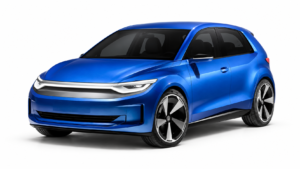
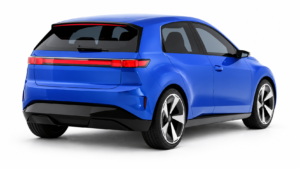
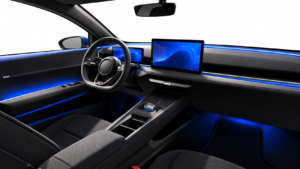
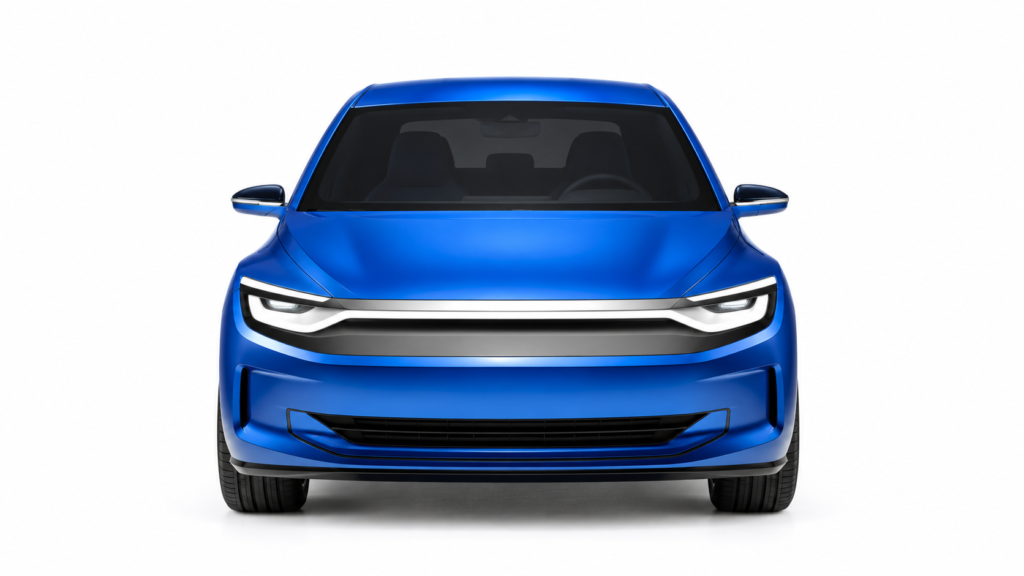
Volkswagen ID. 2all
Electric Supermini Concept (becomes the ID. Polo)

Volkswagen's affordable electric supermini concept, confirmed for production in 2026 as the ID. Polo. Built on the front-wheel-drive MEB Entry platform, targeting up to 450 km of range, 490 litres of boot space and a sub-25,000 euro starting point.
*Ex-showroom Price in Wolfsburg
Volkswagen ID. 2all EV essentials
Volkswagen ID. 2all pros and cons
Pros
- Genuinely affordable target price of under 25,000 euros
- Confirmed for production in 2026 as the ID. Polo
- Up to 450 km of targeted range from a small car
- 490-litre boot is exceptional for a supermini
- Physical buttons return - a direct answer to touch-control criticism
- A hot ID. Polo GTI version is also confirmed
Cons
- The ID. 2all itself is a concept and was never sold
- Full production specifications are not yet confirmed
- Battery size and exact range still to be finalised
- Front-wheel drive, unlike the rear-drive ID.3
- Final pricing may drift above the 25,000 euro target
Best for
Volkswagen ID. 2all specifications
Status & Naming (read this first)
Battery & Charging (target)
Motor & Performance (concept)
Dimensions & Capacity
Comfort & Tech
Safety (expected)
Pricing (target)
Warranty (expected)
Features
Battery & Performance
- Built on the new MEB Entry platform - a front-wheel-drive, cost-focused version of VW's EV architecture
- Targets a range of up to 450 km
- Battery expected in the 38 to 56 kWh range for the production ID. Polo
- DC fast charging targeted at around 20 minutes for 10 to 80 percent
- Front-wheel drive, unlike the rear-drive ID.3 and ID.4
- Designed specifically to bring EV costs down below 25,000 euros
- Production begins in 2026 as the ID. Polo
Comfort & Interior
- 490-litre boot, rising to 1,330 litres with the seats folded
- Return to physical buttons and rotary controls after touch-only ID models
- Clean, upright supermini design with a large glasshouse
- Digital driver display and central touchscreen
- IQ.LIGHT lighting technology
- Electric Vehicle Route Planner built into the navigation
- Spacious five-seat cabin for the footprint
- Practical, cost-conscious interior design
Safety
- Travel Assist semi-automated driving support
- Adaptive cruise control (expected)
- Automatic emergency braking (expected)
- Lane keeping assist (expected)
- Multiple airbags (expected)
- ISOFIX child seat anchors (expected)
- Full safety specification to be confirmed at production launch
Volkswagen ID. 2all trims and pricing
Compare available Volkswagen ID. 2all trims, their ex-showroom prices and key configuration details.
ID. 2all (concept)
Show car - 223 hp - up to 450 km target - not sold
ID. Polo (production, 2026)
MEB Entry - FWD - up to 450 km - the car you can buy
ID. Polo GTI (2026)
Hot hatch version based on the ID. GTI concept
About Volkswagen ID. 2all
The Volkswagen ID. 2all is the concept that promised to make electric cars genuinely affordable. Revealed in 2023, it was VW’s answer to a simple question – what would an electric Polo look like, and could it cost less than 25,000 euros? The answer was a neat, upright supermini with clean surfacing, a proper glasshouse and, crucially, a return to physical controls after years of frustrating touch panels.
It is no longer just a show car. Volkswagen has confirmed that the ID. 2all enters series production in 2026 under a revived, familiar name: the ID. Polo. It uses the new MEB Entry platform – a front-wheel-drive version of VW’s electric architecture designed specifically to bring costs down – and targets a range of up to 450 km. Storage is a genuine strength for the class at 490 litres, rising to 1,330 litres with the rear seats folded, and the tech list includes Travel Assist, IQ.LIGHT and an electric route planner.
Pricing is the whole point. The concept was pitched at under 25,000 euros, and European reports suggest the production ID. Polo will land near 27,000 to 30,000 US dollars equivalent, which would make it one of the most affordable proper electric hatchbacks from a mainstream European brand. A hot ID. Polo GTI is also confirmed for 2026, based on the ID. GTI concept. To be clear: the ID. 2all itself is a concept and was never sold – what you will actually be able to buy is the ID. Polo, so treat the figures here as concept and pre-production targets until VW confirms full specifications.
Trending news for Volkswagen ID. 2all
Volkswagen has confirmed one of the most significant EV launches of the coming years: the ID. 2all concept will enter series production in 2026 as the ID. Polo, reviving a famous nameplate for the electric era. It is the first model in VW's new naming strategy, which moves away from numbered ID badges toward recognisable names.
The car matters because of what it targets - an affordable European electric hatchback at under 25,000 euros, built on the new front-wheel-drive MEB Entry platform, with up to 450 km of range and an unusually large 490-litre boot. Notably, it also brings back physical buttons and rotary controls, a direct response to years of criticism of touch-only VW interiors. A hot ID. Polo GTI, based on the ID. GTI concept, is confirmed for 2026 as well. Full production specifications and pricing will be announced closer to launch.
Volkswagen ID. 2all range and performance
As a concept, the ID. 2all was shown with a 223 hp front-mounted motor, a 160 km/h top speed and a 0-100 km/h time of under 7 seconds - brisk for a supermini. The headline target is range: up to 450 km, which would be genuinely impressive for an affordable small car.
The production ID. Polo will use the MEB Entry platform with front-wheel drive, a change from the rear-drive layout of the ID.3 and ID.4 that helps package a smaller, cheaper car. Battery sizes are expected in the 38 to 56 kWh region, though VW has not finalised the certified figures. Treat all performance and range numbers here as concept and pre-production targets until the ID. Polo is officially specified.
Volkswagen ID. 2all safety overview
The ID. 2all showcased Travel Assist, VW's semi-automated driving support, alongside IQ.LIGHT lighting technology, and the production ID. Polo is expected to carry a full modern safety suite including adaptive cruise control, automatic emergency braking, lane keeping assist, multiple airbags and ISOFIX anchors. However, as a pre-production model it has no crash-test rating yet, and Euro NCAP results will only follow once the ID. Polo is on sale. Treat the safety specification here as expected until VW confirms it at launch.
Volkswagen ID. 2all battery and charging guide
Volkswagen has targeted a DC fast charge of around 20 minutes for 10 to 80 percent on the MEB Entry platform, which would be competitive for an affordable small EV, alongside standard AC home charging expected at around 11 kW. The car is expected to use a CCS (Type 2) connector. Exact charging speeds, battery sizes and times will be confirmed when the production ID. Polo is fully specified ahead of its 2026 launch, so treat these as targets for now.
Volkswagen ID. 2all warranty details
Warranty terms have not been announced, as the ID. Polo has not launched. Expect Volkswagen's standard vehicle warranty plus a high-voltage battery warranty of around 8 years, in line with the rest of the ID range and the wider segment. VW's large European and UK dealer networks should make servicing straightforward. Confirm the official warranty package when the production car is announced in 2026.
Quick verdict: Volkswagen ID. 2all
The ID. 2all is one of the most important cars Volkswagen has shown in years, because it addresses the single biggest problem with electric cars: price. A neat, practical supermini with up to 450 km of targeted range, a 490-litre boot and physical buttons instead of frustrating touch panels, aimed at under 25,000 euros, is exactly what the market has been waiting for. Crucially, it is happening - VW has confirmed production for 2026 under the ID. Polo name, with a GTI version to follow. The caveat is simple: the ID. 2all itself was a concept you could never buy, and final specifications and pricing are not yet confirmed. If VW delivers on the promise, the ID. Polo could be a landmark affordable EV.
Volkswagen ID. 2all vs rivals: how it compares
The production ID. Polo will land squarely against the Renault 5 E-Tech, Citroen e-C3 and the growing wave of affordable Chinese EVs, with the Renault in particular setting a high bar on price and charm. VW's advantages should be its brand strength, dealer network and the promise of a genuinely large 490-litre boot alongside up to 450 km of range - both strong for the class. Against its own ID.3, the ID. Polo will be smaller, cheaper and front-wheel drive rather than rear-drive. The key unknown is final pricing: if it lands near the 25,000 euro target it will be highly competitive, but rivals are already on sale today.
Volkswagen ID. 2all: who should buy it (and who should not)
You cannot buy an ID. 2all - it is a concept - so what you are really waiting for is the ID. Polo, due in 2026. Keep it on your shortlist if you want an affordable, practical European electric hatchback with proper physical controls and a usable boot, and watch for VW's official pricing and specifications closer to launch. If you need a small EV now, the Renault 5 E-Tech and Citroen e-C3 are already on sale and worth comparing. If you specifically want a hot version, note that the ID. Polo GTI is also confirmed for 2026, so it may be worth waiting for that reveal before deciding.
Volkswagen ID. 2all ownership and running costs
If the production ID. Polo lands near its target price, it should be very cheap to own. A small, efficient front-wheel-drive EV with up to 450 km of range would cost far less per mile to charge than a petrol supermini, and EV maintenance is minimal. VW's large dealer network and strong brand recognition should also help resale values compared with lesser-known affordable EV brands. For now, ownership costs are projections - the real picture depends on the final battery size, efficiency and pricing that Volkswagen confirms at launch.
Volkswagen ID. 2all tax benefits and incentives
As a fully electric car, the production ID. Polo will qualify for the EV incentives available in its markets - which in Europe can include purchase grants, reduced registration taxes and low or zero company-car tax rates, and in the UK means very low Benefit-in-Kind for business drivers. Its affordable price point should also keep it below the thresholds where expensive-car tax supplements apply, which is a meaningful advantage over pricier EVs. Confirm the specific incentives in your market when the car goes on sale in 2026.
Volkswagen ID. 2all maintenance and service
Like all EVs, the ID. Polo should need far less maintenance than a petrol supermini - no engine oil, no spark plugs, no clutch and no exhaust - with regenerative braking reducing brake wear. Routine servicing should cover tyres, brake fluid, cabin filter and software updates at set intervals. Volkswagen's extensive dealer network is a genuine advantage for an affordable car, making servicing convenient and parts easy to source. Exact service intervals and costs will be confirmed at the 2026 production launch.
EV Running Cost Calculator
*Estimated figures based on entered electricity price, fuel price, mileage and average daily driving. Actual running costs can vary.
Related articles for Volkswagen ID. 2all
Frequently asked questions about Volkswagen ID. 2all
Is the Volkswagen ID. 2all going into production?
Yes. Volkswagen has confirmed that the ID. 2all show car enters series production in 2026 - but under a different name. It will be called the ID. Polo, reviving one of VW's best-known nameplates for the electric era. The ID. 2all itself was a concept and was never sold.
What is the ID. Polo, and how does it relate to the ID. 2all?
They are the same project at two stages. The ID. 2all was the concept car shown in 2023 to preview VW's affordable electric supermini; the ID. Polo is the production version of it, arriving in 2026. If you want to actually buy the car, the ID. Polo is the one to look for.
How much will the Volkswagen ID. Polo cost?
The ID. 2all concept was pitched at under 25,000 euros, and European reports suggest the production ID. Polo will start near the equivalent of 27,000 to 30,000 US dollars. Final pricing will be confirmed by Volkswagen at launch, so treat these as targets rather than official figures.
What range will the Volkswagen ID. 2all / ID. Polo have?
Volkswagen targets a range of up to 450 km. The exact battery size and certified range for the production ID. Polo have not been finalised, so treat 450 km as the target figure - real-world range will be lower, as always.
What platform does it use?
It uses VW's new MEB Entry platform, a front-wheel-drive, cost-optimised version of the MEB architecture created specifically to make smaller, cheaper electric cars viable. That front-wheel-drive layout is a notable difference from the rear-wheel-drive ID.3 and ID.4.
Will there be a hot version?
Yes. Volkswagen has confirmed an ID. Polo GTI for 2026, based on the ID. GTI concept - a genuine electric hot hatch that revives the GTI badge for the EV era. Full specifications will be announced closer to launch.
Owner feedback for Volkswagen ID. 2all
No approved owner feedback yet. Be the first to share your experience.
Available colours
The ID. 2all concept was shown in a clean, light finish that emphasised its simple surfacing. The production ID. Polo palette has not been confirmed, but it is expected to follow VW's familiar range of whites, greys, blues and reds. Treat these as indicative until the production car is revealed.