
 1 / 5 Images
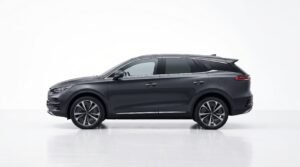
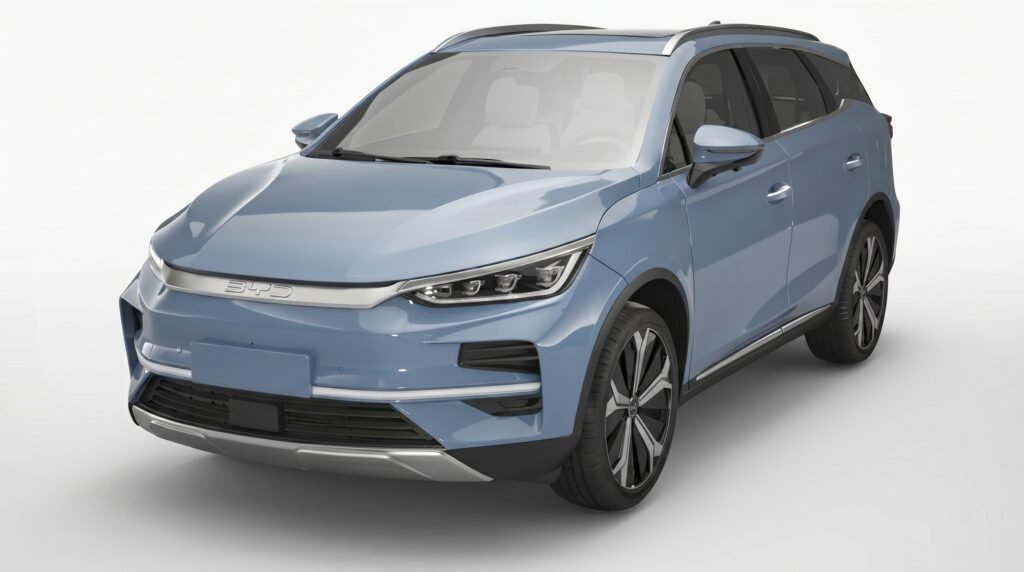
BYD Tang DM-i
Plug-in Hybrid SUV, 7 Seats (DM-i)

A seven seat plug-in hybrid SUV with an unusually large 18.3 kWh Blade battery, delivering around 112 km NEDC on electricity alone and over 1,000 km combined. This is a PHEV with a petrol engine, not a full electric vehicle.
*Ex-showroom Price in Philippines
BYD Tang DM-i EV essentials
BYD Tang DM-i pros and cons
Pros
- 18.3 kWh battery is far larger than typical plug-in hybrid packs, giving real electric commuting range
- Around 70 km to 85 km of real electric range covers most daily driving without petrol
- Combined range beyond 1,000 km eliminates range anxiety entirely
- Seven seats with genuine family packaging on a 2,820 mm wheelbase
- Blade LFP battery offers better thermal stability and cycle life than NMC alternatives
- DC fast charging support is uncommon on plug-in hybrids
- Works as a full electric car for daily use and a petrol SUV for long trips
- BYD manufactures its own batteries, which supports supply chain control and cost
Cons
- This is a plug-in hybrid with a petrol engine, not a full electric vehicle
- Without regular charging it becomes a heavy hybrid with worse economy than a proper full hybrid
- Carrying both an engine and an 18.3 kWh battery adds considerable weight
- 235 litre boot with the third row up is tight for a seven seat SUV
- Front wheel drive only in this configuration, no all wheel drive option
- Servicing is more complex than a pure EV, since both petrol and electric systems need maintenance
- Real electric range of 70 km to 85 km falls well short of the 112 km NEDC figure
- Not sold in India, so this listing applies to the Philippines and similar markets
Best for
BYD Tang DM-i specifications
Battery & Charging
Efficiency & Real-world Range
Motor & Performance
Dimensions & Weight
Suspension Brakes & Tyres
Comfort & Tech
Safety
Warranty
Features
Battery & Performance
- Approximately 18.3 kWh Blade battery, substantially larger than most plug-in hybrid packs
- Blade battery uses lithium iron phosphate chemistry, developed and manufactured by BYD
- LFP chemistry offers better thermal stability and longer cycle life than NMC
- Blade cell format is designed to improve packaging efficiency and structural integrity
- Approximately 112 km electric only range on the NEDC cycle
- Real world electric range closer to 70 km to 85 km depending on conditions
- DC fast charging supported, uncommon on plug-in hybrids
- AC charging takes roughly 3 to 5 hours for a full charge
- Combined petrol and electric range exceeding 1,000 km
- 8 year battery warranty in most markets
Comfort & Interior
- Seven seat configuration across three rows
- Rotating central touchscreen, a BYD signature feature
- Digital instrument cluster
- Wireless Android Auto and Apple CarPlay
- Panoramic sunroof on higher trims
- Ventilated and heated front seats on higher trims
- Automatic climate control with rear vents
- Leather upholstery on higher trims
- Powered tailgate
- Wireless phone charging
- Ambient interior lighting
- 4,870 mm length and 2,820 mm wheelbase give genuine family packaging
Safety
- Multiple airbags including side and curtain
- Electronic stability control standard
- Adaptive cruise control on higher trims
- Lane keeping assist and lane departure warning
- Autonomous emergency braking
- Blind spot detection on higher trims
- 360-degree camera system
- Tyre pressure monitoring
- Blade LFP battery with strong thermal stability characteristics
- ISOFIX child seat anchors
- Hill hold and hill descent control
BYD Tang DM-i trims and pricing
Compare available BYD Tang DM-i trims, their ex-showroom prices and key configuration details.
Tang DM-i Standard
18.3 kWh Blade - approx 112 km EV NEDC - 7 seats - E-CVT
Tang DM-i Premium
18.3 kWh Blade - approx 112 km EV NEDC - added equipment - 7 seats
About BYD Tang DM-i
The BYD Tang DM-i is a plug-in hybrid, not a battery electric vehicle, and that distinction shapes everything about how it should be judged. DM-i stands for Dual Mode intelligent, BYD’s plug-in hybrid system, which pairs a 1.5 litre turbocharged petrol engine with an electric motor and a battery large enough to run the car on electricity alone for meaningful distances. It has a fuel tank, it has an engine, and it will burn petrol once the battery depletes. Anyone comparing it against a full electric SUV is comparing two different propositions.
What makes the Tang DM-i genuinely interesting is the size of its battery. At roughly 18.3 kWh using BYD’s Blade LFP cells, it is considerably larger than the token packs many plug-in hybrids carry, delivering an electric-only range around 112 km on the NEDC cycle. In practical terms that translates to somewhere near 70 km to 85 km of real electric driving, which covers the daily commute of most owners entirely on electricity. Run the engine as well and combined range exceeds 1,000 km, which removes range anxiety completely. It is a seven seat SUV measuring around 4,870 mm on a 2,820 mm wheelbase, so the packaging is genuinely family sized.
The catch is one that applies to every plug-in hybrid and deserves stating plainly. All of this only works if you actually plug it in. A Tang DM-i driven without charging becomes a heavy conventional hybrid carrying an 18.3 kWh battery as dead weight, and its fuel consumption in that state is worse than a properly designed full hybrid would deliver. The technology rewards owners with home charging and a predictable daily commute, and punishes those without. Assess your charging situation honestly before this car makes sense. At EVUnlock, we cross-check specifications against official manufacturer documentation before publishing.
Trending news for BYD Tang DM-i
BYD has expanded its plug-in hybrid range across Southeast Asian markets. Plug-in hybrids occupy a useful position in markets where charging infrastructure is still developing, since they remove range anxiety entirely while still allowing electric running for daily use. The Tang DM-i's unusually large battery makes it a stronger example of the category than plug-in hybrids carrying token packs.
Blade battery technology remains central to BYD's positioning. BYD designs and manufactures its own LFP Blade cells rather than sourcing from a supplier, which gives it control over cost, supply, and specification. The chemistry's thermal stability and cycle life advantages are genuine, and the vertical integration is a structural advantage few rivals share.
BYD Tang DM-i range and performance
The Tang DM-i's electric only range of approximately 112 km comes from the NEDC cycle, which is an older and notably optimistic standard. Real world electric range lands closer to 70 km to 85 km depending on driving style, air conditioning load, and terrain, so treat the NEDC figure as roughly 65 to 75 percent achievable. That is still a substantial electric range for a plug-in hybrid, and considerably better than the 40 km to 60 km many rivals manage. For most owners it means the daily commute happens entirely on electricity. Combined with the petrol engine, total range exceeds 1,000 km, which is the plug-in hybrid's core advantage over a battery electric vehicle. On performance, the electric motor produces around 197 PS and 325 Nm, with the 1.5 litre turbo petrol engine adding 139 PS. The DM-i system works primarily by having the electric motor drive the wheels while the engine acts largely as a generator, which is why acceleration feels smooth and electric in character rather than like a conventional petrol SUV. Zero to 100 km/h takes around 8.5 seconds, adequate for a 2,150 kg seven seater.
BYD Tang DM-i safety overview
Crash ratings vary by market, so verify the result that applies where you are buying rather than assuming a rating from elsewhere transfers. Equipment includes multiple airbags with side and curtain coverage, electronic stability control, autonomous emergency braking, lane keeping assist, and a 360-degree camera, with adaptive cruise control and blind spot detection on higher trims. The Blade battery deserves specific mention on safety grounds. LFP chemistry has meaningfully better thermal stability than the NMC chemistry many rivals use, meaning it is less prone to thermal runaway under damage or abuse. BYD has demonstrated this characteristic publicly through nail penetration testing. The blade cell format also contributes to structural rigidity, since the pack is engineered as part of the vehicle structure rather than bolted underneath as a separate assembly.
BYD Tang DM-i battery and charging guide
DC fast charging takes the Tang DM-i from around 30 to 80 percent in approximately 30 minutes, which is uncommon for a plug-in hybrid. Most PHEVs offer AC charging only, because their batteries are small enough that fast charging adds little practical benefit. With an 18.3 kWh pack the capability genuinely matters, since it allows a meaningful electric top up during a shopping stop. AC charging takes roughly 3 to 5 hours for a full charge, which suits overnight home charging well. The practical advice for any plug-in hybrid owner is to treat charging as a daily habit rather than an occasional task. The entire economic case for the vehicle rests on running the daily commute on electricity, and an owner who charges weekly rather than daily loses most of the benefit while still carrying the weight and complexity of both systems.
BYD Tang DM-i warranty details
Warranty terms vary by market, with BYD typically offering five to six years on the vehicle and eight years on the battery. The engine and hybrid system are generally covered under powertrain terms that differ by country. One consideration specific to plug-in hybrids is worth noting. Because the vehicle contains both a petrol engine and an electric drivetrain, warranty coverage spans two sets of systems, and the terms for each may differ. Read what covers the engine, the hybrid transmission, and the battery separately rather than assuming a single period applies to everything. The battery state of health guarantee, which defines how much capacity degradation is covered, is the clause most worth examining closely.
Quick verdict: BYD Tang DM-i
The Tang DM-i is one of the better arguments for plug-in hybrids, mainly because BYD did not cheap out on the battery. At 18.3 kWh it is more than double what many plug-in hybrids carry, and the resulting 70 km to 85 km of real electric range is enough to cover most owners' daily driving entirely on electricity. Add seven usable seats, over 1,000 km of combined range, and a Blade LFP battery with genuine thermal safety advantages, and the package makes sense for a specific buyer. That buyer is someone with reliable home charging, a daily commute comfortably under 70 km, and a need for occasional long journeys where charging infrastructure is unreliable. For anyone else the calculation falls apart. Without regular charging this becomes a heavy hybrid carrying dead weight, with worse fuel consumption than a properly designed full hybrid and more complexity than either a petrol SUV or a battery electric vehicle. The technology is sound. Whether it suits you depends almost entirely on whether you will plug it in every day, and that is a question worth answering honestly before signing anything.
BYD Tang DM-i vs rivals: how it compares
Against battery electric seven seat SUVs, the Tang DM-i trades outright electric purity for the removal of range anxiety, which matters more in markets where charging infrastructure is still developing. Against conventional full hybrids, it offers genuine electric-only driving for daily use but only if charged, and worse economy than a full hybrid if not. Against petrol seven seat SUVs, it offers substantially lower running costs for owners who charge, at a higher purchase price and greater mechanical complexity. Against other plug-in hybrids, the Tang DM-i's advantage is battery size, since 18.3 kWh delivers real commuting range where many rivals offer 40 km to 60 km that runs out before the workday ends. The DC fast charging capability is also unusual in the category. Its weaknesses relative to rivals are the tight 235 litre boot with the third row up and the absence of an all wheel drive option in this configuration.
BYD Tang DM-i: who should buy it (and who should not)
Answer one question honestly before anything else. Will you plug this car in every day? If you have a home charger or reliable workplace charging and your daily driving stays under about 70 km, the Tang DM-i works exactly as intended and your running costs will be close to a battery electric vehicle's for most journeys. If you do not have convenient charging, do not buy this car or any plug-in hybrid, because you will pay for a battery you cannot use while carrying its weight everywhere. Beyond that, three practical checks. Load your usual luggage with the third row upright during the test drive, since 235 litres is genuinely tight. Confirm the local crash rating rather than assuming one from another market. And read the warranty terms for the engine, hybrid transmission, and battery separately, since coverage periods often differ between them on a plug-in hybrid.
BYD Tang DM-i ownership and running costs
Running costs on a plug-in hybrid depend almost entirely on how much of your driving happens on electricity. For an owner charging daily with a commute under 70 km, most journeys run on battery at roughly PHP 11 per kWh, giving an electric running cost near PHP 2.2 per kilometre. Long trips on petrol at around 5.3 to 6.5 litres per 100 km and PHP 65 per litre work out to approximately PHP 3.7 per kilometre. A comparable petrol seven seat SUV at 10 km per litre costs around PHP 6.5 per kilometre. For an owner who charges regularly, annual savings are substantial. For an owner who does not charge, consumption rises toward the hybrid mode figure permanently and the savings largely disappear while the higher purchase price remains. Maintenance sits between a petrol vehicle and a battery electric one, since the engine still needs oil changes and servicing while regenerative braking extends brake life considerably.
BYD Tang DM-i tax benefits and incentives
Incentive treatment for plug-in hybrids differs from battery electric vehicles in most markets, and usually less favourably. Governments generally reserve the strongest incentives for vehicles with no tailpipe emissions, with plug-in hybrids receiving reduced benefits or none at all depending on the jurisdiction. In the Philippines, electrified vehicle incentives have been applied under national electric vehicle policy, though the treatment of plug-in hybrids versus battery electric vehicles differs and policy is periodically revised. Buyers should confirm what currently applies locally rather than relying on published figures. For reference, in India plug-in hybrids do not receive the same GST treatment as battery electric vehicles, which is one reason PHEVs have found limited traction in that market despite their practical advantages where charging is sparse.
BYD Tang DM-i maintenance and service
A plug-in hybrid needs more maintenance than a battery electric vehicle and less than a conventional petrol car, which is the honest middle position. The 1.5 litre petrol engine still requires oil and filter changes, spark plugs, and air filter replacement, following a schedule broadly similar to a petrol vehicle. What the electric side removes is much of the brake wear, since regenerative braking handles a large share of deceleration and pads commonly last far longer than on a petrol equivalent. Additional items include battery coolant and periodic hybrid system diagnostics. One characteristic of plug-in hybrids worth knowing is that an engine used infrequently can suffer from fuel ageing and condensation, so owners who run almost entirely on electricity should let the engine run periodically. Many plug-in hybrids manage this automatically through engine maintenance cycles, but it is worth confirming for your specific vehicle.
EV Running Cost Calculator
*Estimated figures based on entered electricity price, fuel price, mileage and average daily driving. Actual running costs can vary.
Related articles for BYD Tang DM-i

Frequently asked questions about BYD Tang DM-i
Is the BYD Tang DM-i a fully electric car?
No. The Tang DM-i is a plug-in hybrid. DM-i stands for Dual Mode intelligent, BYD's plug-in hybrid system, which combines a 1.5 litre turbocharged petrol engine with an electric motor and an 18.3 kWh battery. It has a fuel tank and will burn petrol once the battery depletes. It can run on electricity alone for around 112 km NEDC, but it is not a battery electric vehicle and should not be compared directly against one.
What is the BYD Tang DM-i electric only range?
Approximately 112 km on the NEDC cycle from the 18.3 kWh Blade battery. NEDC is an older and notably optimistic test standard, so real world electric range lands closer to 70 km to 85 km depending on driving style, air conditioning use, and terrain. That is still substantial for a plug-in hybrid and covers the full daily commute for most owners, which is the point of a battery this size.
What happens if I never charge the BYD Tang DM-i?
It becomes a heavy conventional hybrid carrying an 18.3 kWh battery as dead weight, and its fuel consumption in that state is worse than a purpose designed full hybrid would deliver. This is the single most important thing to understand before buying any plug-in hybrid. The technology only makes sense if you plug it in regularly, ideally daily. If you have no home or workplace charging, a conventional hybrid or a petrol SUV would serve you better and cost less.
What is the BYD Tang DM-i combined range?
Over 1,000 km with a full battery and a full fuel tank. That figure is what makes plug-in hybrids appealing to buyers nervous about charging infrastructure, since long journeys require no charging stops at all. In practice most owners run the car on electricity for daily driving and only use the petrol engine on long trips, which is exactly how the DM-i system is designed to be used.
What is a Blade battery?
BYD's own battery design, using lithium iron phosphate chemistry in long, thin cells arranged like blades. LFP chemistry offers better thermal stability and longer cycle life than the NMC chemistry many rivals use, at the cost of somewhat lower energy density. The blade format improves packaging efficiency and contributes to structural rigidity. BYD manufactures these cells itself rather than buying from a supplier, which gives it more control over cost and supply.
How many seats does the BYD Tang DM-i have?
Seven, arranged across three rows. At around 4,870 mm long on a 2,820 mm wheelbase, the packaging is genuinely family sized rather than a token third row. The trade off is luggage space, with roughly 235 litres available when all three rows are in use, which is tight. Folding the third row expands that substantially, as it does on most seven seat SUVs.
Does the BYD Tang DM-i support fast charging?
Yes, DC fast charging is supported, taking the battery from around 30 to 80 percent in approximately 30 minutes. This is uncommon on plug-in hybrids, most of which offer AC charging only because their batteries are small enough that fast charging adds little. With an 18.3 kWh pack the capability is genuinely useful. AC charging takes roughly 3 to 5 hours for a full charge, which suits overnight home charging.
Is the BYD Tang DM-i available in India?
No. BYD operates in India but the Tang DM-i is not part of its Indian range. This listing reflects the Philippines market where the Tang DM-i is sold. Indian buyers interested in BYD should look at the models actually offered here. Plug-in hybrids also face a different tax treatment in India from battery electric vehicles, which affects their pricing and appeal in this market.
Owner feedback for BYD Tang DM-i
No approved owner feedback yet. Be the first to share your experience.
Available colours
BYD offers the Tang DM-i in a palette that varies by market, typically centred on white, black, grey, and silver with one or two stronger colour options. Availability differs between regions, as manufacturers routinely narrow choices for individual markets to simplify logistics and inventory. Interior trim combinations are usually tied to specific exterior colours and trim levels rather than being freely selectable. Confirm current options with a BYD dealer in your market before ordering.